Long before children dressed up in costumes and knocked on their neighbors’ doors for candy, people in parts of Britain had their own Halloween tradition.
They went from house to house asking for food in exchange for prayers.
The custom became known as souling, and it was particularly associated with Allhallowtide, the period surrounding All Saints’ Day and All Souls’ Day.
Instead of candy, participants might receive small cakes. Instead of saying “trick or treat,” they offered prayers or songs for the dead.
It sounds surprisingly familiar.
But souling was not simply medieval trick-or-treating. It was rooted in a very different religious world, where praying for the dead was considered an important act of charity.
What Was Souling?
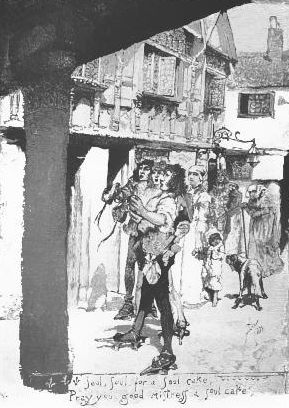
Souling was a door-to-door custom recorded in parts of England, particularly during the All Souls’ period.
Participants, sometimes children and sometimes groups of adults or the poor, would visit homes and ask for food or other gifts in exchange for prayers for the household’s dead.
The practice varied by place.
Some groups recited prayers. Others sang songs or verses. In some communities, the custom involved specific traditional rhymes that were passed down for generations.
One well-known example comes from Cheshire:
“A soul-cake, a soul-cake! Have mercy on all Christian souls, for a soul-cake!”
The exchange was connected to the Christian belief in Purgatory.
Catholic teaching held that some souls required purification after death before entering Heaven. Prayers and other acts of devotion were therefore understood as ways the living could help the dead.
A person could give food to someone in need while also asking them to pray for a deceased relative.
The result was a custom that combined charity, food, religion, and community.
That’s where the soul cake comes in.
What Exactly Was a Soul Cake?
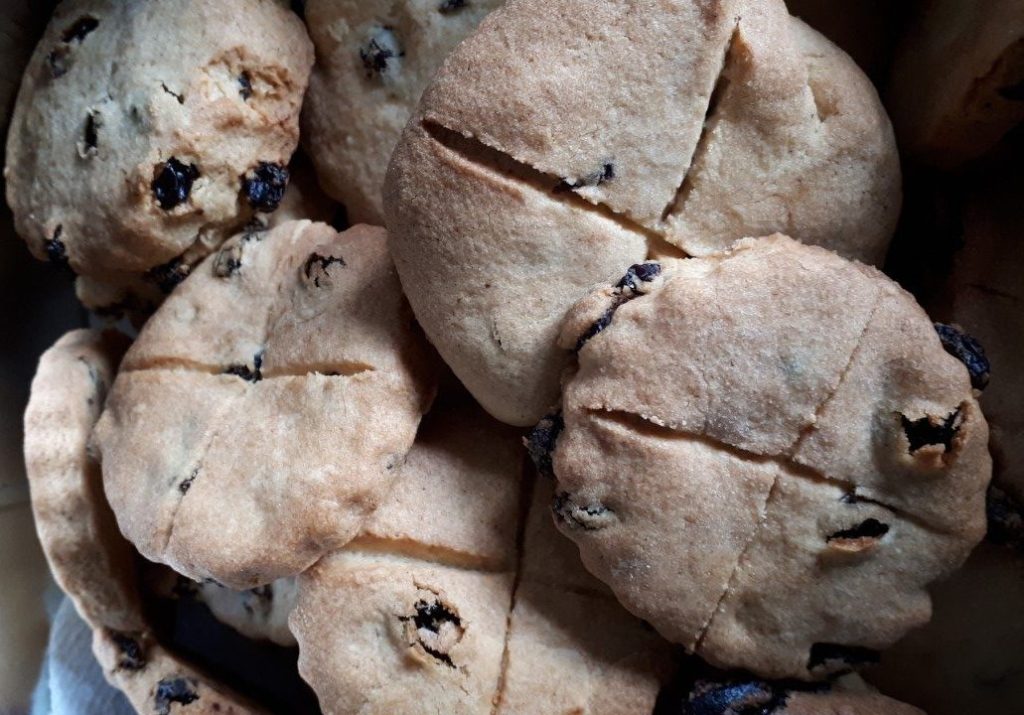
No single standardized medieval recipe existed for a soul cake.
Recipes varied by region and period, but later versions were generally small, sweet cakes or biscuits made with ingredients such as flour, butter or other fat, sugar, spices, and dried fruit.
Some were marked with a cross.
The cakes were not necessarily elaborate. Their importance came from the occasion and the exchange surrounding them rather than from their ingredients.
They were food given in return for remembrance.
Modern Halloween candy serves a very different purpose:
- A child knocks on the door.
- The homeowner gives them candy.
- The transaction ends.
With souling, the food was connected to the spiritual welfare of the household’s dead.
The person receiving the cake was expected to remember them.
Why Were People Giving Food for Prayers?
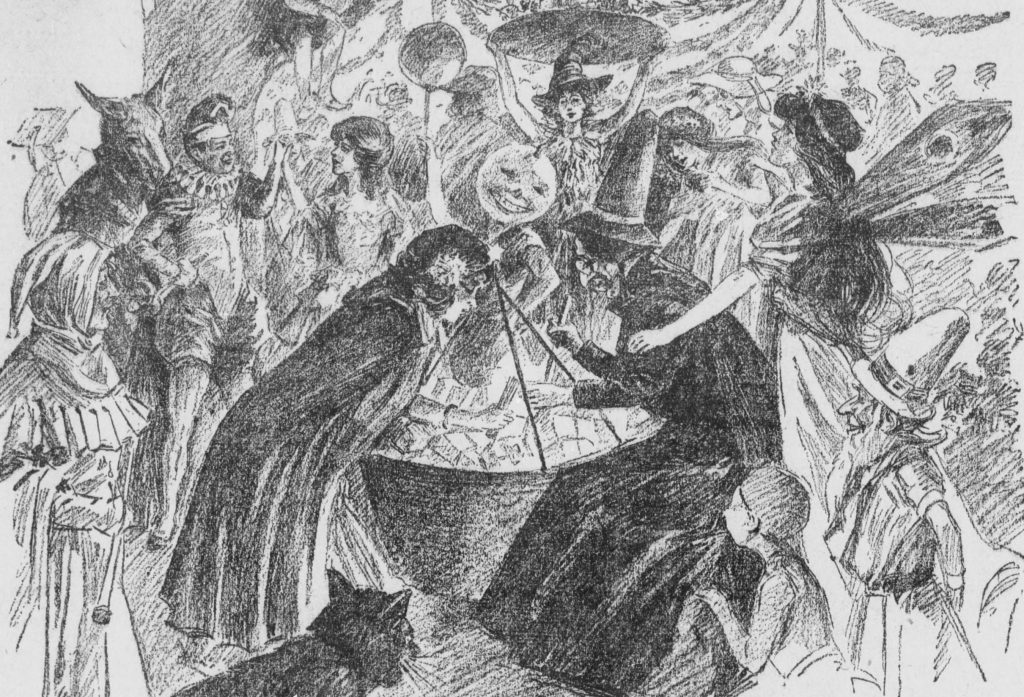
All Souls’ Day focused on remembering the dead.
In medieval Catholic communities, death did not necessarily mean the end of a person’s relationship with the living. Families could pray for deceased relatives and commemorate them through religious observances.
That created a role for people who traveled from house to house offering prayers.
The practice also fit into a much broader medieval tradition of charitable giving.
Giving food to people experiencing poverty was considered a religious duty, particularly around important feast days.
So souling could serve several purposes at once:
- The household received prayers for its dead.
- The person doing the souling received food.
- And the act of giving allowed the household to participate in a recognized form of Christian charity.
It was religious, but it was also practical.
For someone poor, a day spent going from house to house could mean the difference between having enough food and going without.
Was Souling a Medieval Halloween Tradition?
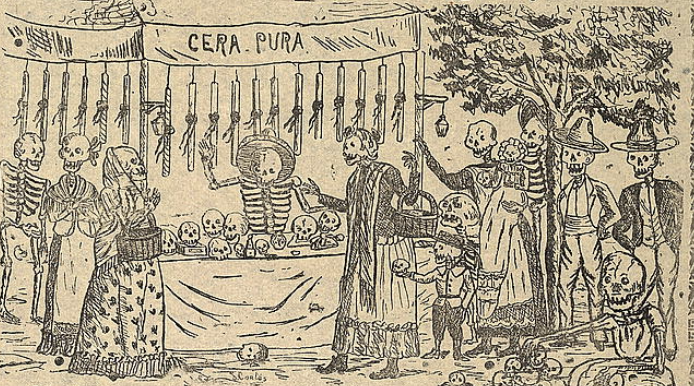
Sort of.
This is where the history gets complicated.
The modern word Halloween comes from All Hallows’ Eve, the evening before All Saints’ Day. All Saints’ Day falls on November 1, while All Souls’ Day follows on November 2.
Together, these days formed part of the medieval Christian calendar known as Allhallowtide.
Souling became associated with this period because prayers for the dead were particularly relevant around All Souls’ Day.
But Halloween itself was not simply an unchanged survival of a medieval souling festival.
The modern holiday developed over centuries from a mixture of Christian observances, local folk customs, seasonal traditions, and later popular culture.
Older traditions are also associated with the Celtic festival of Samhain, but historians debate the relationship between Samhain and later Halloween practices.
So rather than imagining one straight line from Samhain to souling to trick-or-treating, it is more accurate to think of Halloween as a tradition that developed from several overlapping influences.
Souling was one of them.
From Prayers to Costumes
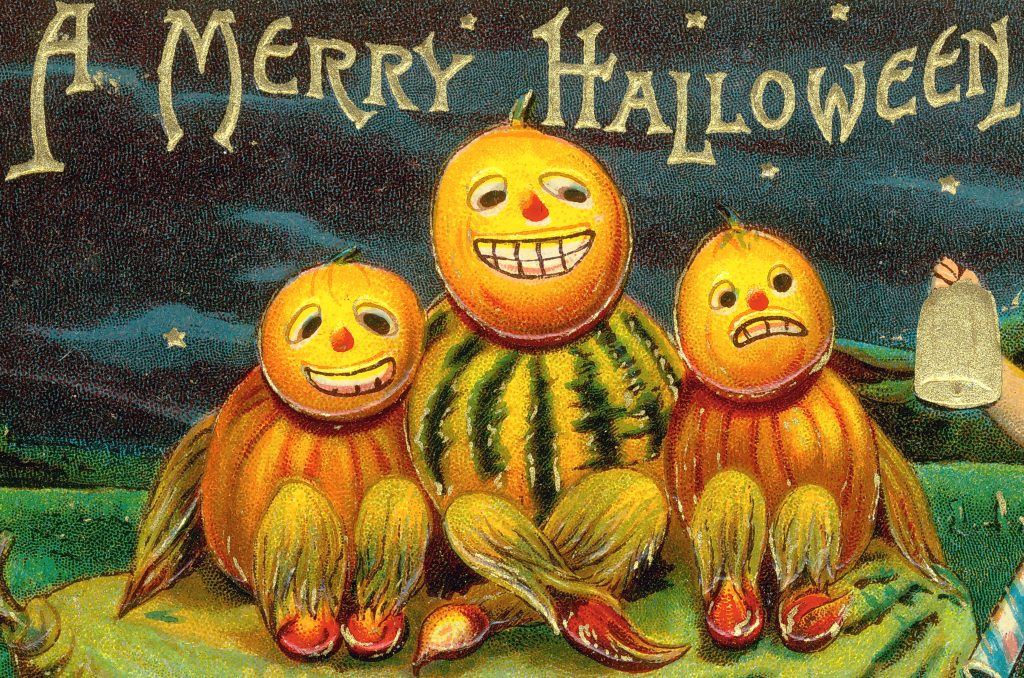
Another tradition that eventually became associated with Halloween was guising.
In parts of Scotland and Ireland, people disguised themselves or dressed in costumes and went from house to house, performing songs, poems, jokes, or tricks in exchange for food or gifts.
Guising and souling were not the same tradition, and they developed in different places.
But they shared an important feature.
You did something for the household before asking for something in return:
- A prayer.
- A song.
- A poem.
- A joke.
- A performance.
That basic exchange would eventually become familiar to modern Halloween celebrations.
How Did It Become Trick-or-Treating?
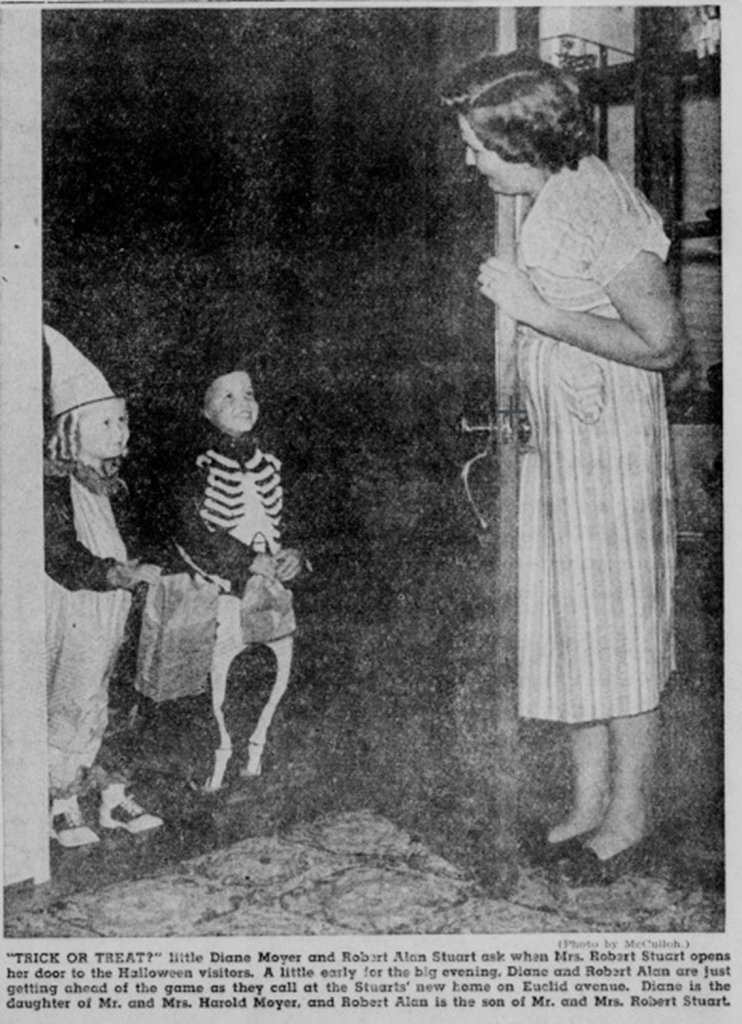
The transformation did not happen overnight.
Immigrants from Ireland and Scotland brought Halloween customs with them to North America during the nineteenth century, where they encountered existing American traditions involving costumes, pranks, parties, and neighborhood celebrations.
During the early twentieth century, Halloween became increasingly associated with organized children’s activities.
By the middle of the century, door-to-door trick-or-treating had become a widespread American tradition.
The exchange was now much simpler.
Instead of offering prayers for the dead, children performed or simply asked for a treat.
And instead of receiving a soul cake, they received candy.
The religious meaning had largely disappeared, but the basic social ritual remained.
The Forgotten Part of Halloween
Today, Halloween is mostly associated with costumes, candy, decorations, horror movies, and parties.
Souling belonged to a much more solemn world.
For those who participated, the dead were not simply a theme for one night of the year. They were family and community members still remembered by the living.
A small cake could therefore carry a much larger meaning.
They gave food to someone in need.
They prayed for someone experiencing loss.
For a few centuries, that simple exchange connected the living, the dead, and the wider community.
Eventually, the prayers disappeared.
The soul cakes disappeared.
The costumes changed.
And the candy arrived.
But one part of the tradition remained surprisingly familiar:
- Someone still stands at your door.
- Someone still asks for a treat.
- And someone still expects you to give them something in return.
Leave a Reply