How smallpox, politics, and poisonous cosmetics shaped the image of England’s most famous queen.
Queen Elizabeth I is often met with unfair preconceived notions, with vanity at the top of the list. What many don’t realize is that her elaborate beauty routine was heavily driven by a traumatic battle with smallpox: a devastating disease that left survivors with severe facial scarring, forcing them to layer on heavy makeup that made them even sicker thanks to one fatal ingredient: lead.
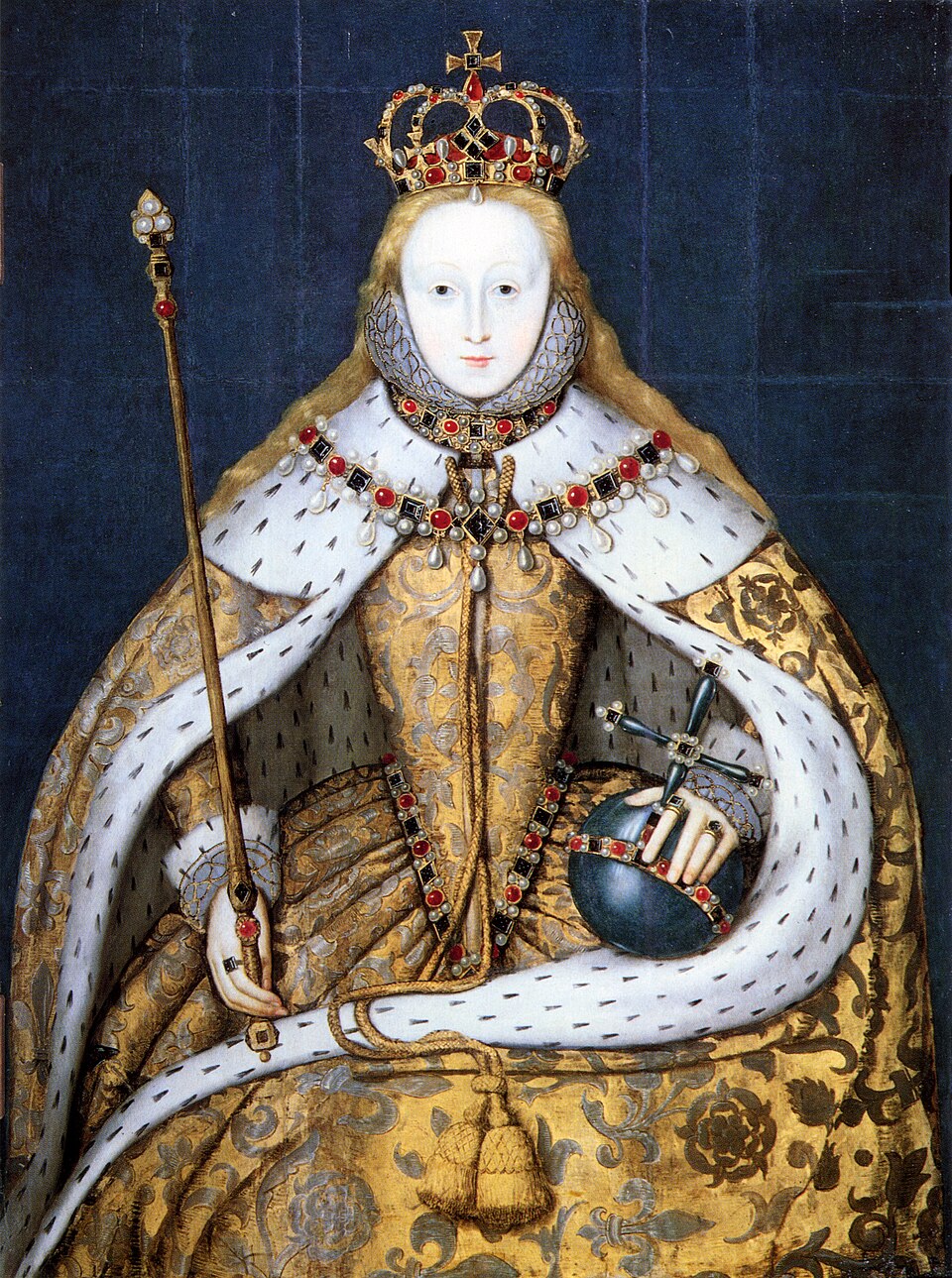
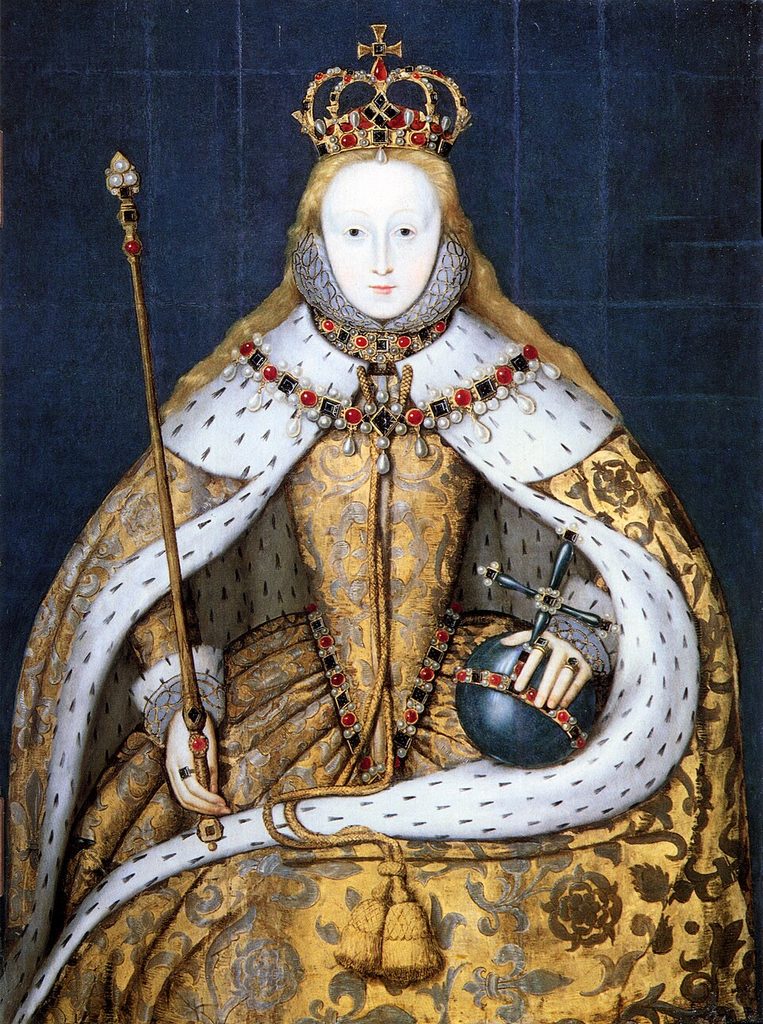
In nearly every portrait painted during her reign, Elizabeth is shown with her signature, pale white complexion. While pale skin was undeniably a symbol of high status in Tudor England, the reality of how her iconic “ivory status” came to be is far darker than simple vanity.
October 1562: The Outbreak That Changed Everything
In October 1562, Elizabeth I developed the classic early symptoms of smallpox: a sudden spike in fever and severe cold chills. Initially, she attempted to indulge in standard home remedies like warm baths to break the illness, but her condition quickly deteriorated.
After an official examination by royal physicians, she received the terrifying diagnosis: smallpox. The disease had been spreading through the palace, affecting several court ladies. While smallpox carried a mortality rate near 30% for adults, Elizabeth survived—but the illness left its mark. Her fever caused severe skin blisters that opened and scabbed over, leaving permanent, pitted scars across her face.
The Unsuccessful “Red Treatment”
As an unwed monarch in search of a husband, Elizabeth understood that a queen’s public image was of the utmost importance. During her illness, her doctors attempted the famous “red treatment”—wrapping the monarch in red blankets and positioning her near a roaring fire. Physicians of the era believed the combination of red light and intense heat would draw the “disease humors” out of her internal organs and onto the surface of her skin.
The method failed, and Elizabeth’s fever worsened to the point where she fell into a temporary coma. Because she was unwed and had no named heir, England was briefly thrown into panic. Fortunately, within ten days, the queen regained consciousness. But once recovered, she faced a massive problem: concealing her severe facial scarring.
[ Historical Archive & Study Workbook ]
Want to analyze 16th-century primary sources, Tudor apothecary recipes, and safe modern alternatives yourself? Download The Tudor Apothecary & Beauty Dossier ($9) to access full ingredient breakdowns and fillable DBQ study worksheets.
Venetian Ceruse: The Poisonous “Mask of Youth”
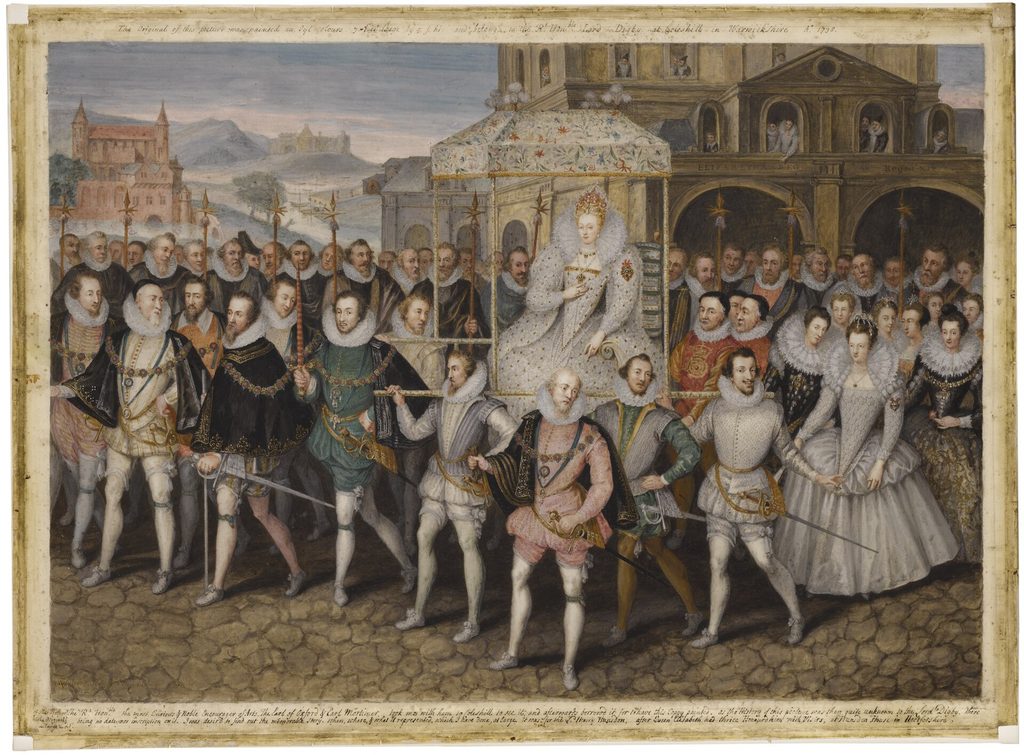
To cover her scars, Elizabeth turned to a popular compound among European nobility: Venetian Ceruse.
Made by mixing white lead with vinegar, this opaque face paint created a porcelain-like finish. The queen applied multiple heavy layers, unknowingly poisoning her body every day. The chronic lead exposure led to rapid hair loss and skin deterioration. Biologically, constant lead absorption interferes with the body’s ability to produce healthy red blood cells, causing severe anemia, cognitive decline, and organ damage.
The poisonous cosmetics didn’t stop at her face paint:
- Lipstick (Cinnabar): Her signature red lip was created using ground cinnabar, a mineral rich in mercury. Absorbed through her lips daily, mercury toxicity is known to cause memory loss, severe mood swings, and depression.
- Skin Cleaners (Alum & Mercury): A beauty guru’s nightmare, it is believed that Elizabeth rarely removed her makeup nightly, often leaving a “full beat” intact for a week at a time. When she did strip her skin, she used cleansers containing alum, egg whites, and mercury.
While court flatterers praised her remarkably smooth complexion, this harsh regimen stripped her skin barrier and rapidly accelerated her physical aging.
A Tragic Legacy
In the spring of 1603, Elizabeth I passed away. Toward the end of her life, contemporary accounts described her as perpetually exhausted, deeply melancholic, and suffering from severe loss of hair and memory.
While historians continue to debate whether chronic heavy metal toxicity directly caused her death or deteriorated her health alongside natural aging, one thing is certain: her iconic “Mask of Youth” came at a terrifying cost.
What are your thoughts on Elizabeth’s beauty routine? Was it pure vanity, or political survival in a male-dominated world? Let’s discuss in the comments below!
Sources & Further Reading
- University of Plymouth — Elizabeth I’s Near-Fatal Illness of 1562
- It’s Mary Within — Causes of Elizabeth I’s Death: The Reality Behind the Royal Queen Makeup

Leave a Reply