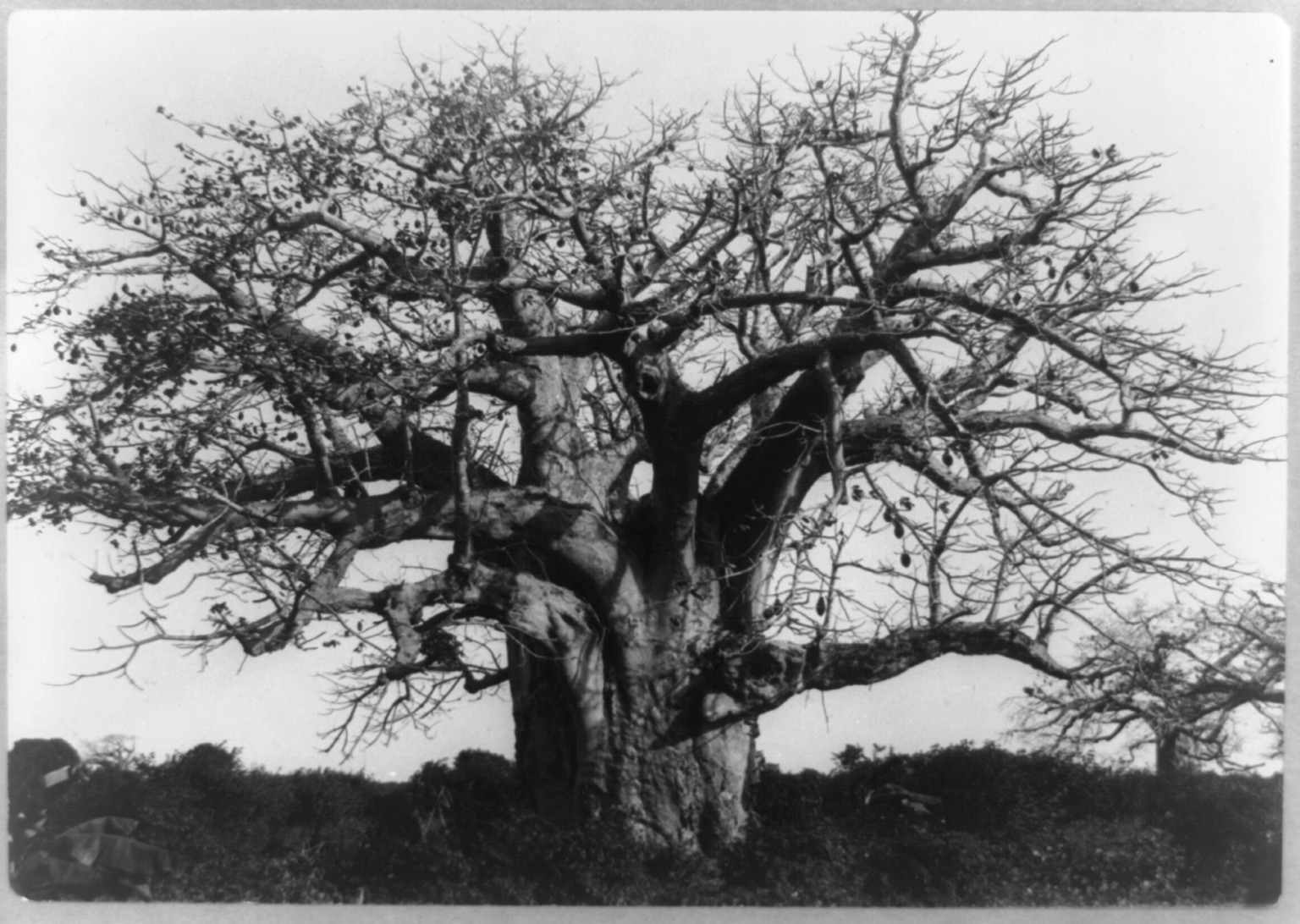
Along the historic Slave Route in Ouidah, Benin, stands a site associated with one of the most haunting traditions of the transatlantic slave trade. It was known as L’Arbre de l’Oubli—the Tree of Forgetfulness.
According to the oral history preserved in Ouidah, captives marching toward the coast were forced to complete a ritual around the tree to leave their former lives behind. By circling it, captives were believed to forget their names, their families, their homes, and the lives they had lived before captivity.
The original tree no longer stands, but its story remains an essential chapter in Ouidah’s history and the memory of those who passed through it.
Ouidah: The Road to the Atlantic
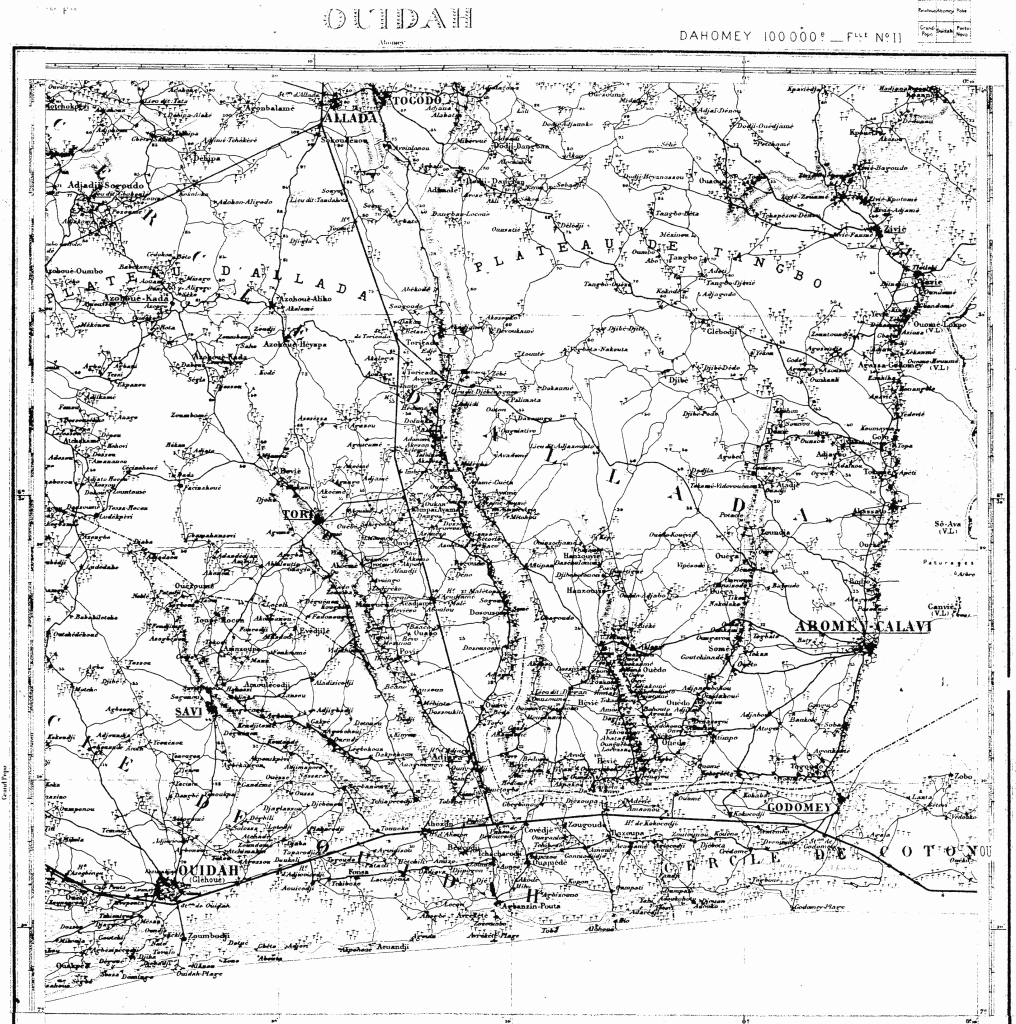
Ouidah became one of the major commercial centers of the Atlantic slave trade on the West African coast. During the height of the trade, hundreds of thousands of enslaved people passed through the region before being loaded onto ships bound for the Americas.
The journey from Ouidah to the coast is preserved today as the Slave Route, a series of historic and commemorative sites marking different stages of that final march. These include the former slave market, the Tree of Forgetfulness, the Zomai House, the Tree of Return, and the Door of No Return on the shoreline.
For those forced along this path, the journey represented a brutal break from everything familiar. Families were separated, communities fractured, and people from diverse West African regions were brought together under conditions of captivity. The rituals associated with the route offer a powerful window into the spiritual and psychological world surrounding that experience.
The Ritual of Seven and Nine Circles
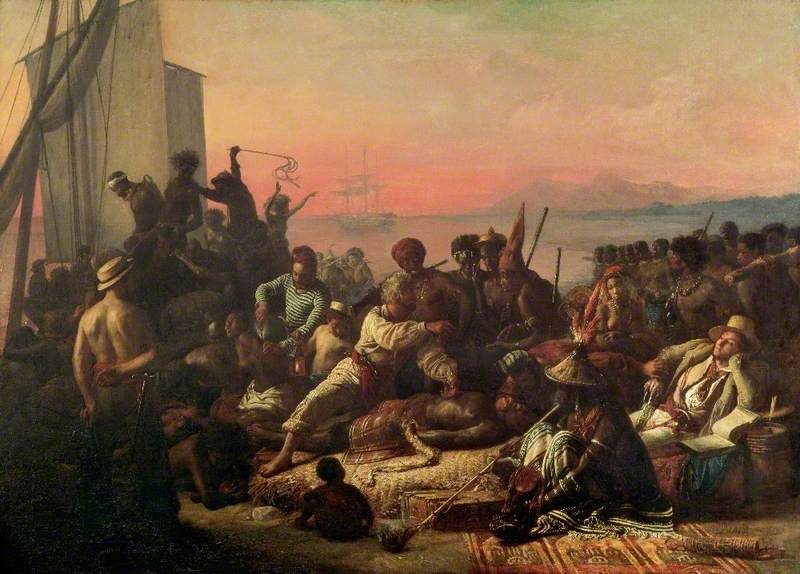
According to Ouidah tradition, captives were brought directly to the Tree of Forgetfulness before continuing their march toward the coast.
Men were required to walk around the tree nine times, while women and children walked seven times. These numbers carried deep religious and cultural significance within the local Fon spiritual framework, symbolizing male and female energies respectively. The ritual was designed to sever the captive’s connection to their past life entirely.
The belief was that after completing the circles, a captive would lose all memory of the life they had left behind: their family, their village, their true name, and the spiritual world they had known. Whether understood literally or psychologically, the symbolic weight was disturbing: a person physically removed from their home was being systematically separated from their identity.
The Part European Records Didn’t Preserve
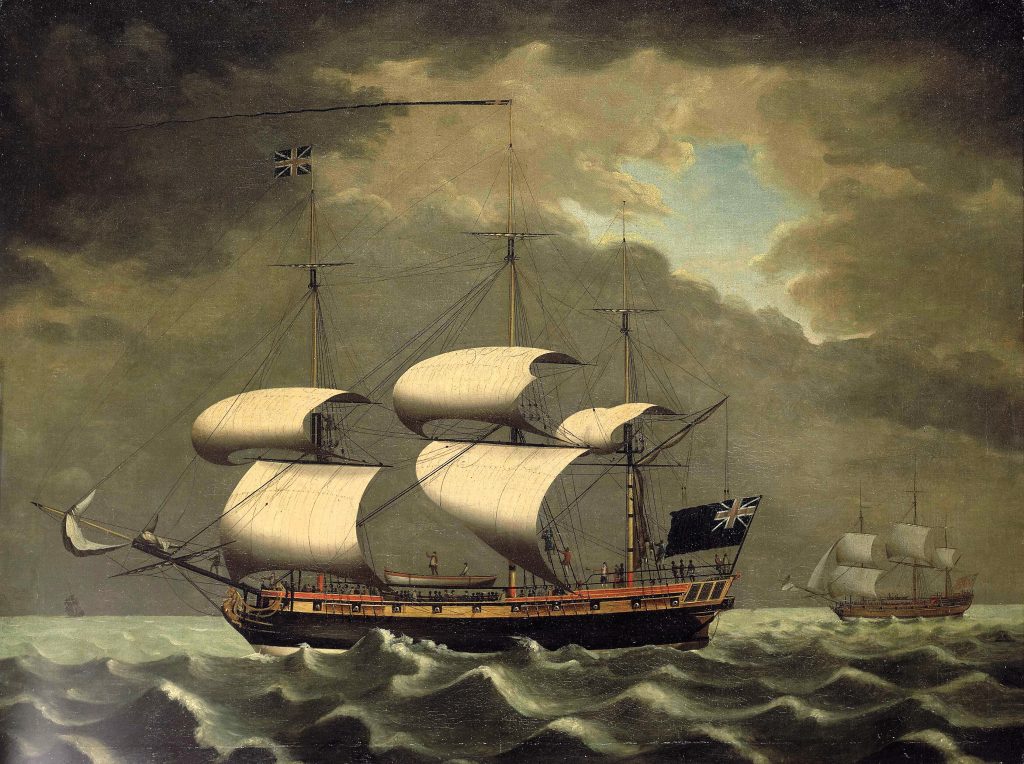
Stories like the Tree of Forgetfulness are vital because European records of the slave trade focused almost exclusively on commercial operations.
Merchants and ship captains kept precise logs of purchases, prices, cargo numbers, mortality rates, insurance claims, and profits. While these documents give historians critical insight into the mechanics of the trade, they rarely recorded captives’ spiritual and cultural experiences before embarkation.
That silence does not mean these traditions went undocumented within African societies. West African polities had long-established methods for preserving history through oral tradition. In kingdoms like Dahomey, royal historians (griots) and designated officials maintained genealogies, political chronicles, and key cultural events across generations. Oral history was not casual storytelling; it was a structured system of historic preservation.
For Ouidah, these traditions safeguard the internal historical record, preserving the lived experiences and beliefs of the communities directly affected by the trade.
The Tree of Return
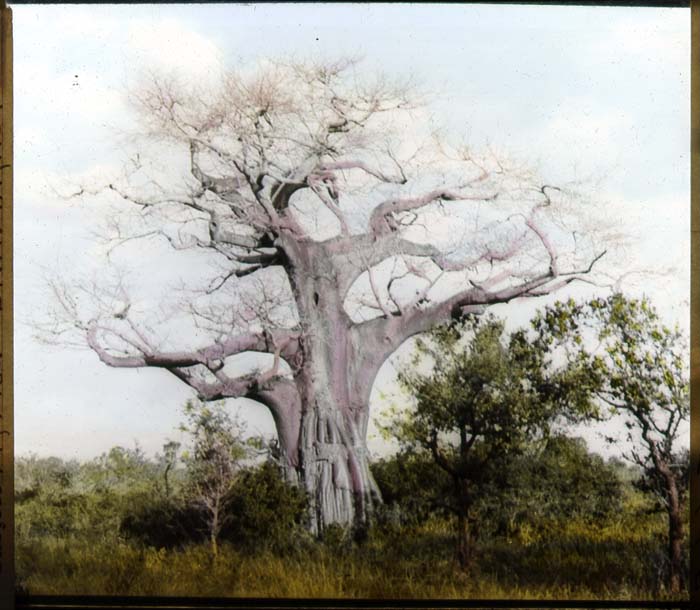
The Tree of Forgetfulness was not the only sacred landmark along the route. Further down the path stood the Tree of Return, which offered a counter-narrative of spiritual resilience.
According to tradition, while a captive’s physical body could be carried across the Atlantic, their spirit could never be truly enslaved. Those who perished in the Americas were believed to complete a spiritual journey back home to the land of their ancestors through this second tree.
The contrast between the two landmarks is striking: the first represented forced separation from one’s life, while the second asserted the soul’s ultimate return. Together, they reflect how captive populations navigated a journey from which they would never physically return.
What Crossed the Atlantic
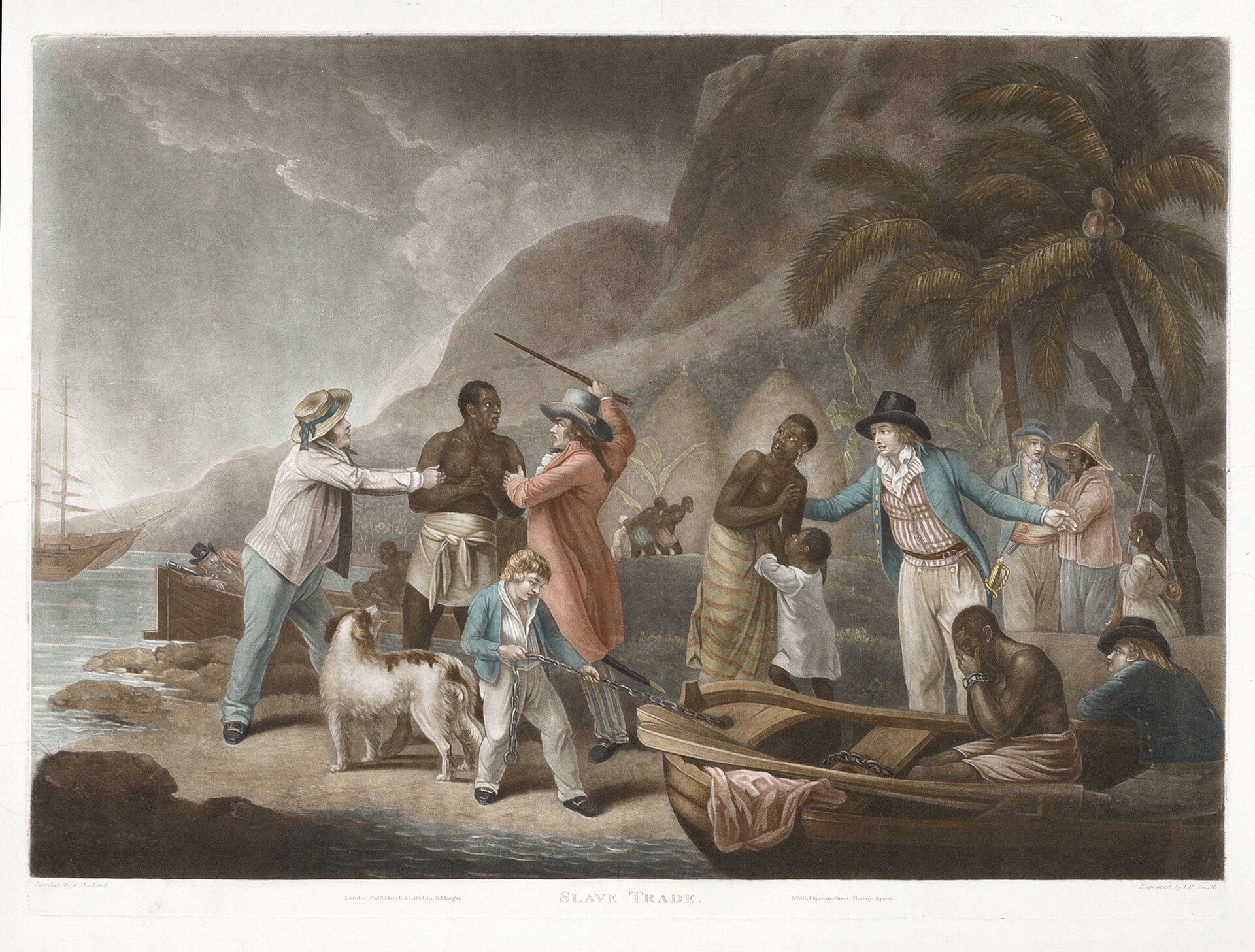
The transatlantic slave trade attempted to reduce human beings to physical commodities, but those forced onto the ships carried intangible wealth that no ledger could capture.
Captives brought languages, spiritual beliefs, agricultural expertise, culinary traditions, music, folklore, craftsmanship, and complex systems of community structure. While these traditions transformed as diverse African cultures blended in the Americas, they were never erased.
Their enduring influence forms the backbone of modern diaspora cultures across the Western Hemisphere, from Haitian Vodou, Brazilian Candomblé, and Cuban Santería to African American music and spiritual practices.
The Memory Remains
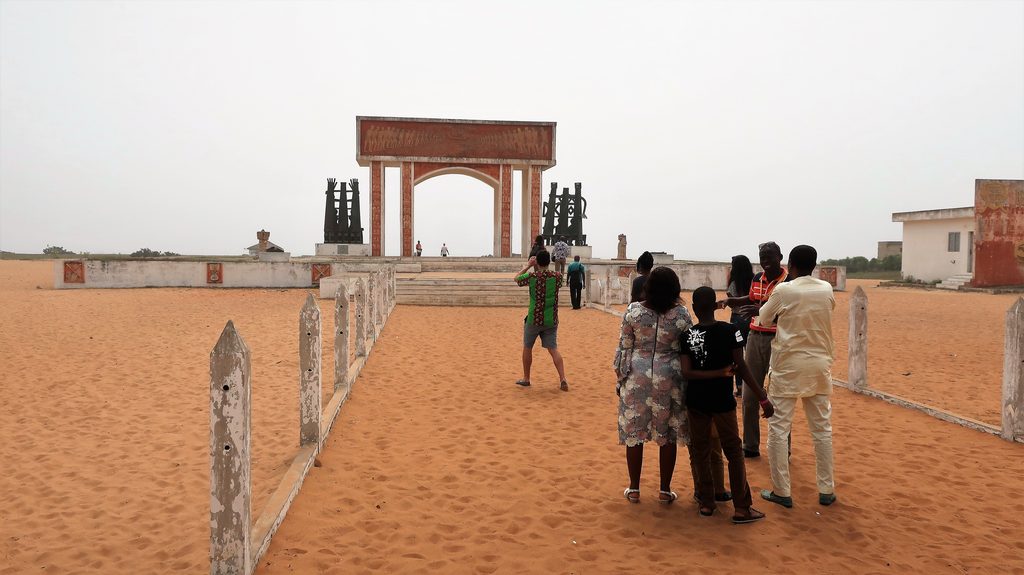
The original Tree of Forgetfulness eventually died, leaving behind only commemorative monuments along the path leading toward the Door of No Return. However, the story surrounding it endures.
European merchants and traders kept extensive records, but they focused mainly on the commercial operation of the trade. Historians sometimes describe this as “archival silence” or the “violence of the archive.” The surviving documents reflect the priorities of the people who created them, and they often recorded enslaved people as property, labor, or financial assets rather than as individuals with their own histories, beliefs, and experiences.
The Tree of Forgetfulness was intended to mark the erasure of a person’s history. Centuries later, the continued telling of its story proves the opposite.
The tree is gone.
The memory remains.
Leave a Reply