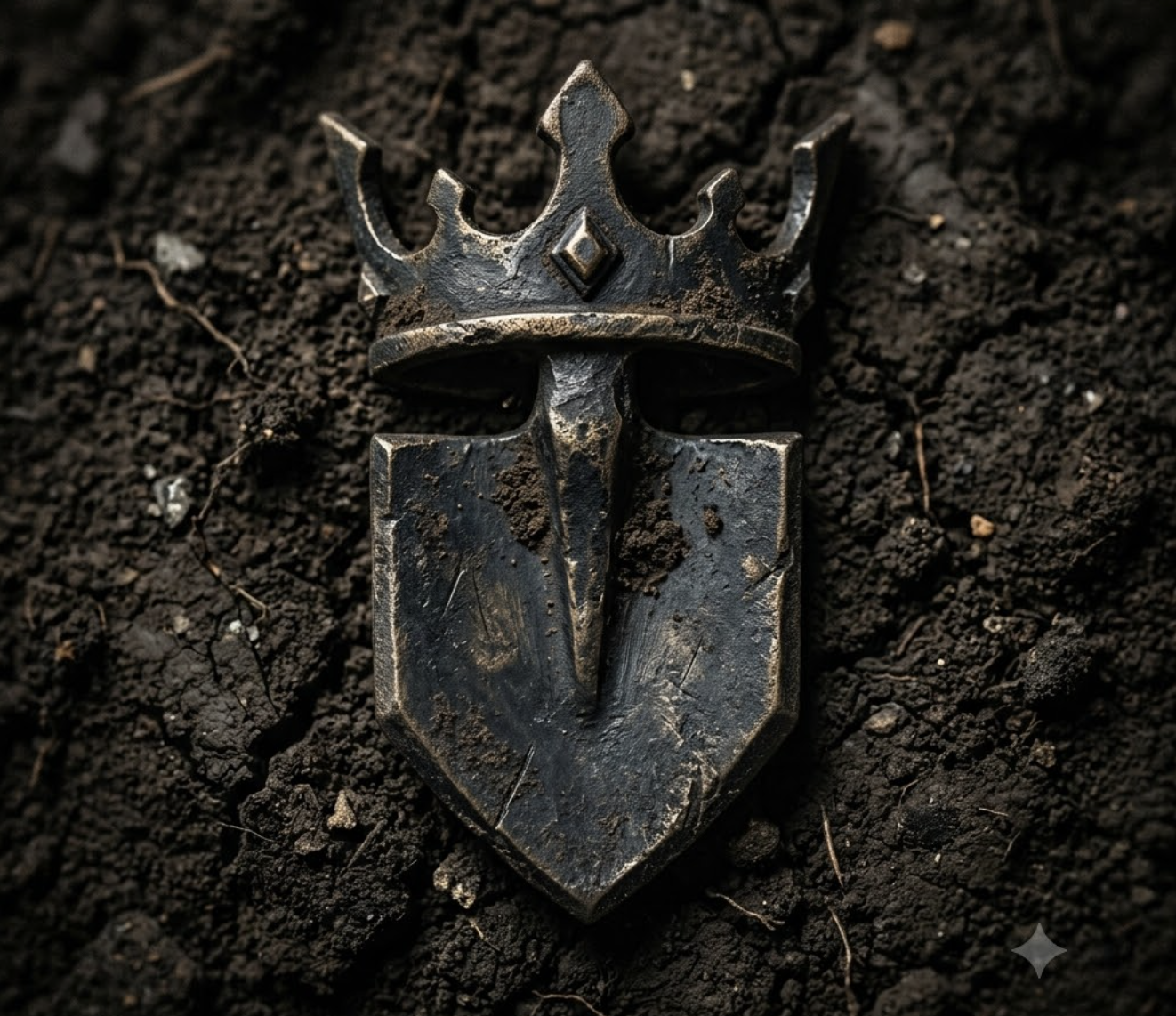
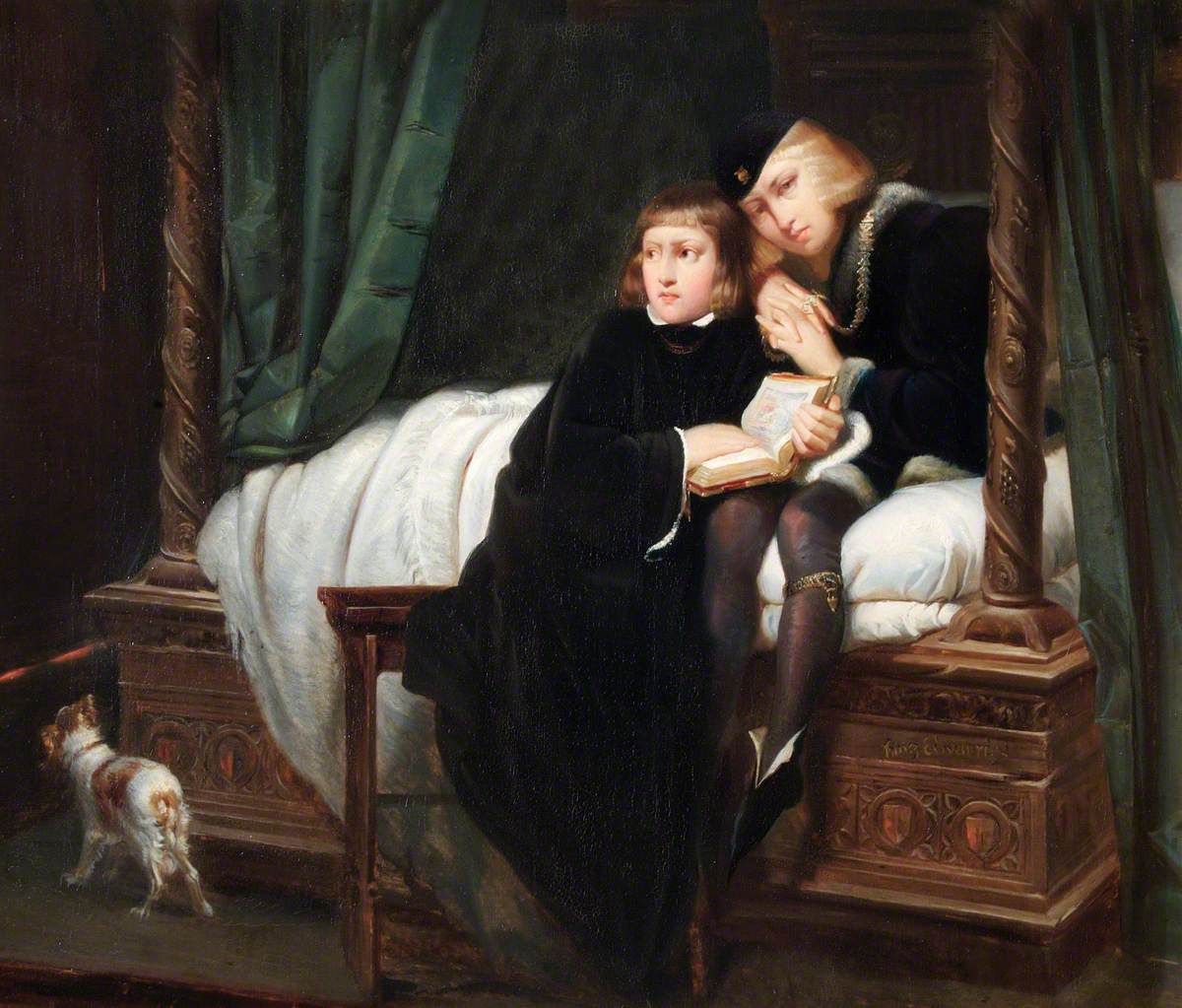
In the summer of 1483, two young boys entered the Tower of London and were never seen alive again.
Edward V was only 12. His younger brother, Richard, Duke of York, was 9. They were sons of King Edward IV, members of the House of York, and for a brief moment, they stood at the center of one of England’s most powerful royal families.
Then they disappeared.
Their fate has remained one of the most enduring mysteries in British history. No confirmed burial, no surviving account that definitively explains what happened to them, and no body can be conclusively identified as either prince. Instead, there are competing theories, political accusations, suspicious timing, and two sets of child remains discovered nearly two centuries later.
The question is simple enough: what really happened to the Princes in the Tower?
A Royal Residence Turns Into a Prison
After King Edward IV’s sudden death in April 1483, his 12-year-old son became Edward V. Because the new king was still a child, his uncle Richard, Duke of Gloucester, was appointed Lord Protector and took responsibility for bringing him to London.
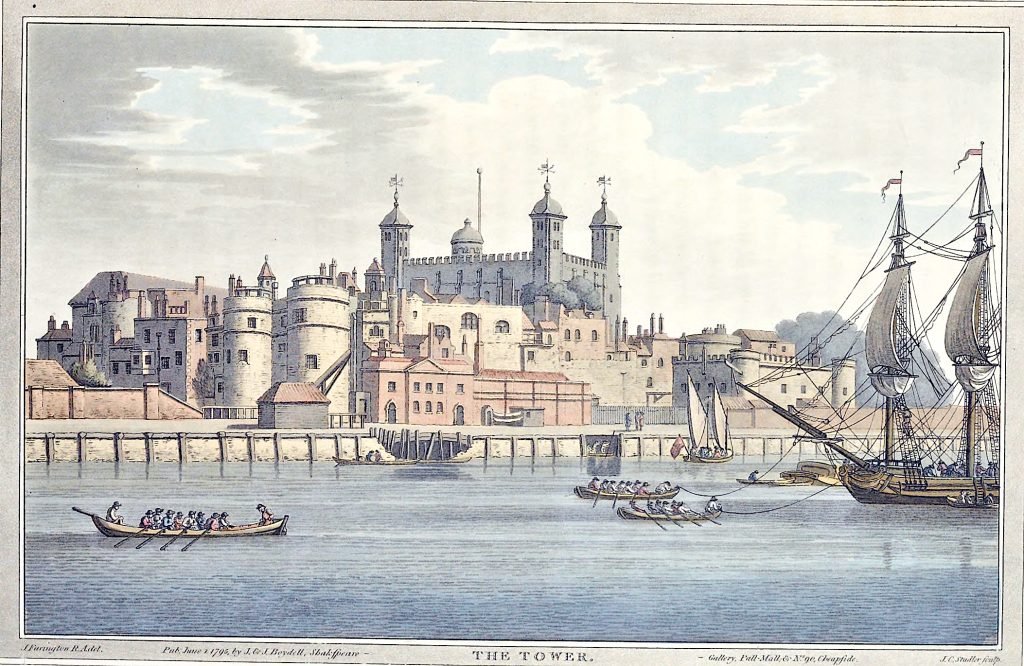
Edward was eventually taken to the Tower of London, where he was expected to remain until his coronation. The tower was also a royal residence, and it was not unusual for members of the royal family to stay there. So, at first, nothing particularly sinister seemed wrong with Edward being there.
Then his younger brother joined him.
Richard, Duke of York, was brought to the Tower shortly afterward, and the two boys settled into what should have been a temporary residence before Edward’s coronation. But while the princes were in the Tower, the political situation outside changed rapidly.
Richard of Gloucester and his supporters began questioning the legitimacy of Edward IV’s marriage to Elizabeth Woodville. If Edward’s marriage was invalid, then his children were illegitimate and could not inherit the throne.
In June 1483, Parliament formally declared the princes illegitimate through the Titulus Regius. Richard of Gloucester then took the crown for himself and became King Richard III.
The boys remained in the Tower.
At first, they continued to appear in public. Contemporary accounts describe them playing and practicing archery in the grounds. But their appearances became increasingly rare. By the summer, they had largely disappeared from public view.
And then they disappeared altogether.
So Who Killed the Princes?
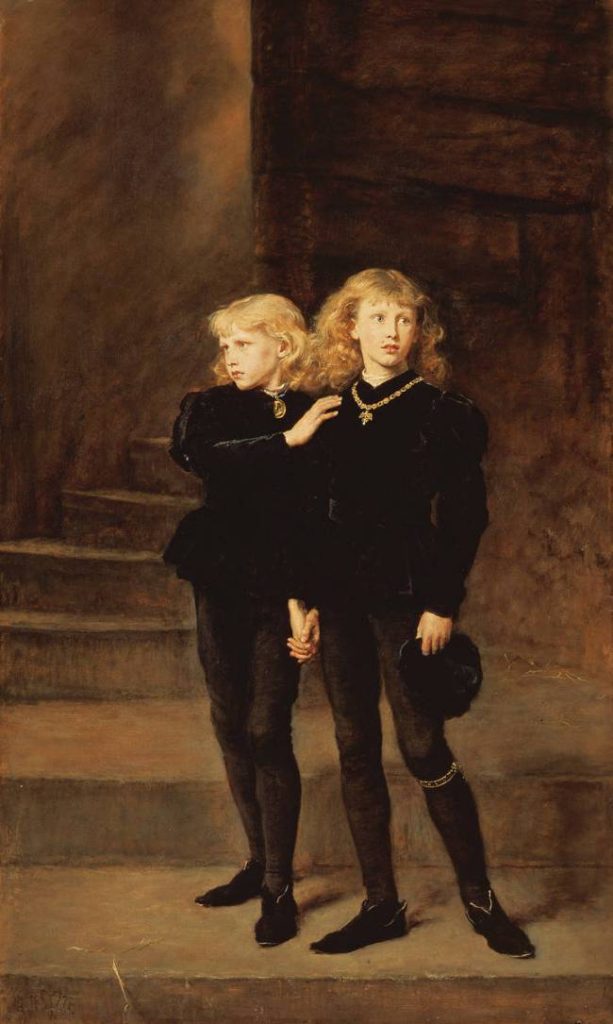
That is where the mystery becomes considerably more complicated.
The most famous explanation is that Richard III ordered his nephews murdered.
Tudor historians later promoted the theory, and William Shakespeare further cemented it by portraying Richard as a murderous king who would eliminate anyone standing between him and the crown. According to this version of events, the princes were killed inside the Tower, and their bodies were hidden.
It certainly provides a straightforward explanation for their disappearance. Richard took the throne after declaring the boys illegitimate, and their existence could have threatened his position.
But there is a problem.
There is no surviving contemporary evidence proving that Richard ordered their deaths.
That doesn’t prove he was innocent, but it does mean the most famous version of the story can’t be treated as fact.
Richard was not the only person with something to gain from the princes disappearing, either.
Henry Tudor, who would later become Henry VII, had his own reason to be concerned about the boys. In 1485, Henry defeated Richard III at the Battle of Bosworth Field and took the English throne. If either prince had still been alive, they could have presented a serious challenge to Henry’s claim.
This has led some historians to consider whether the boys may have survived Richard’s reign and been killed later, or whether their disappearance was somehow connected to the political upheaval that eventually brought Henry to power.
Then there are the stranger possibilities.
Perhaps the princes were secretly removed from the Tower and hidden away. Over the centuries, several men have been suggested as possible identities for the missing Edward V or Richard of York, although none has been conclusively established as either boy.
There is also the possibility that one or both princes died from natural causes. Medieval childhood was dangerous, and illness could become fatal with alarming speed. The Tower itself was not necessarily a healthy place to spend weeks or months, particularly for children living through a period of political instability.
The problem is that none of these theories has produced the evidence needed to close the case.
The Bones Beneath the Staircase
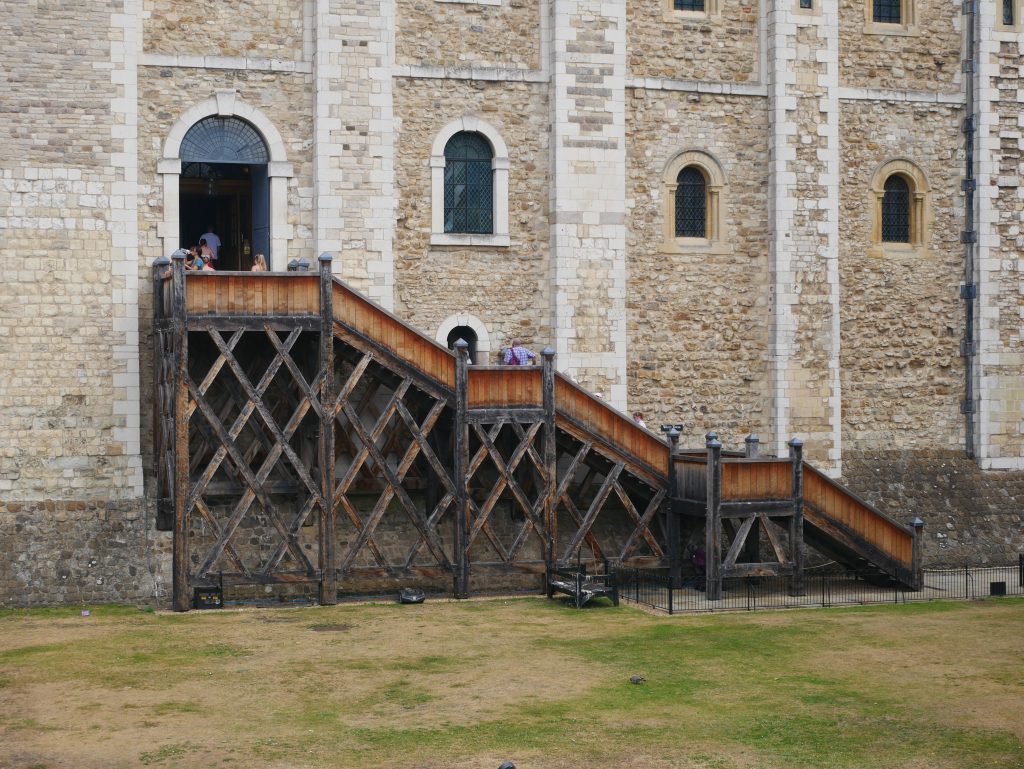
Then, almost two hundred years after the princes disappeared, something was found inside the Tower that seemed to offer an answer.
In 1674, workers renovating near a staircase leading toward the White Tower discovered a wooden chest buried beneath the rubble. Inside were the skeletal remains of two children.
The discovery immediately raised an obvious possibility.
Could these be the Princes in the Tower?
King Charles II apparently believed they were. They placed the remains in an urn and eventually interred them at Westminster Abbey, where they remain today under the names Edward V and Richard of York.
For centuries, people treated the discovery as the likely solution to the mystery. Two missing princes. Two sets of children’s remains. Both found inside the Tower.
But one major problem remained.
Nobody could prove the bones belonged to them.
A later examination in 1933 established that the remains belonged to children, but the examination could not conclusively establish their identities. Age estimates have also been debated, and no surviving evidence from the original discovery provides an indisputable connection between the bones and Edward or Richard.
The location is compelling.
It is not proof.
Why the Mystery Is Still Open
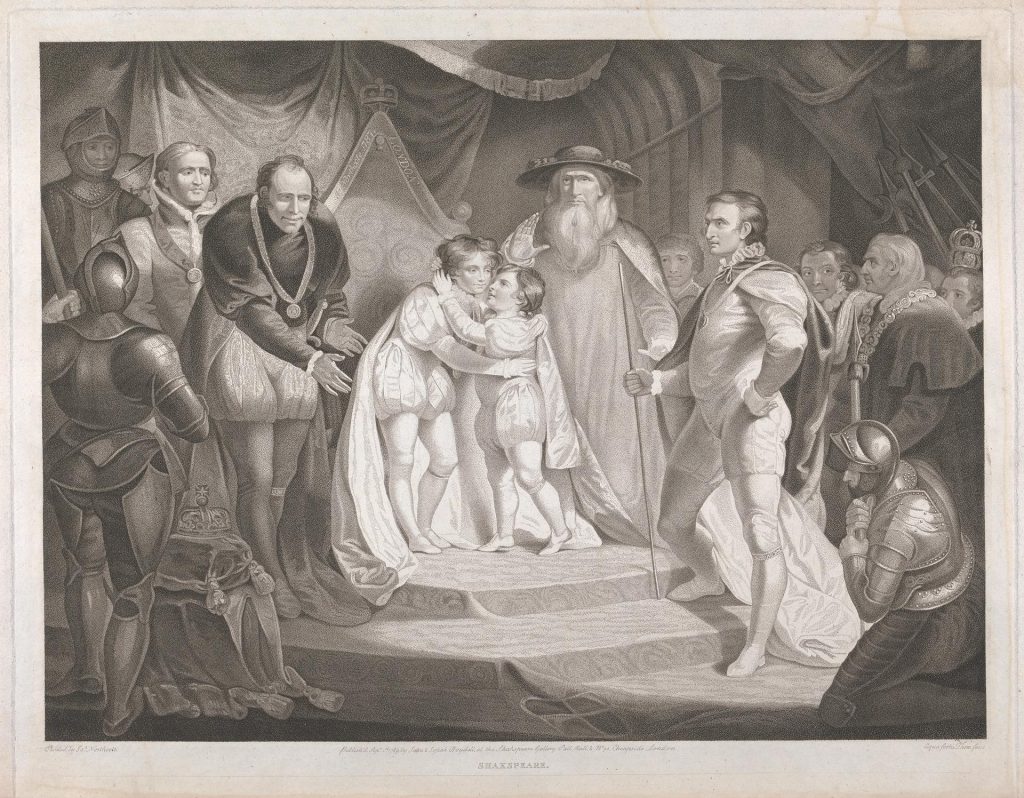
The remains at Westminster Abbey are perhaps the closest thing the mystery has to a physical clue, but they have never provided the final answer.
Modern forensic techniques could potentially tell us much more than was possible in 1674 or even 1933. DNA analysis could potentially establish whether the remains are related to known descendants of the royal family. At the same time, other forms of scientific testing could provide additional information about the children’s age and the circumstances surrounding their deaths.
However, an important distinction remains between what modern science could potentially determine and what it has actually established. The remains have not provided definitive scientific proof that they are Edward V and Richard of York.
That leaves the Princes in the Tower in an unusual place between history and legend.
We know the boys existed. We know they entered the Tower in 1483. We know Richard III took the throne while they were there. We know their public appearances stopped, and we know they were never seen alive again.
What happened between those points is where the historical record goes dark.
Perhaps Richard III ordered their deaths. Perhaps someone else did. Perhaps someone secretly removed the boys from the Tower. Perhaps the remains discovered centuries later really do belong to them.
For more than five hundred years, the princes have remained trapped in that uncertainty.
Two children entered the Tower.
They never came out.
And somewhere between the political ambitions of medieval England and the silence of the historical record lies the answer to what happened to them.
Leave a Reply