
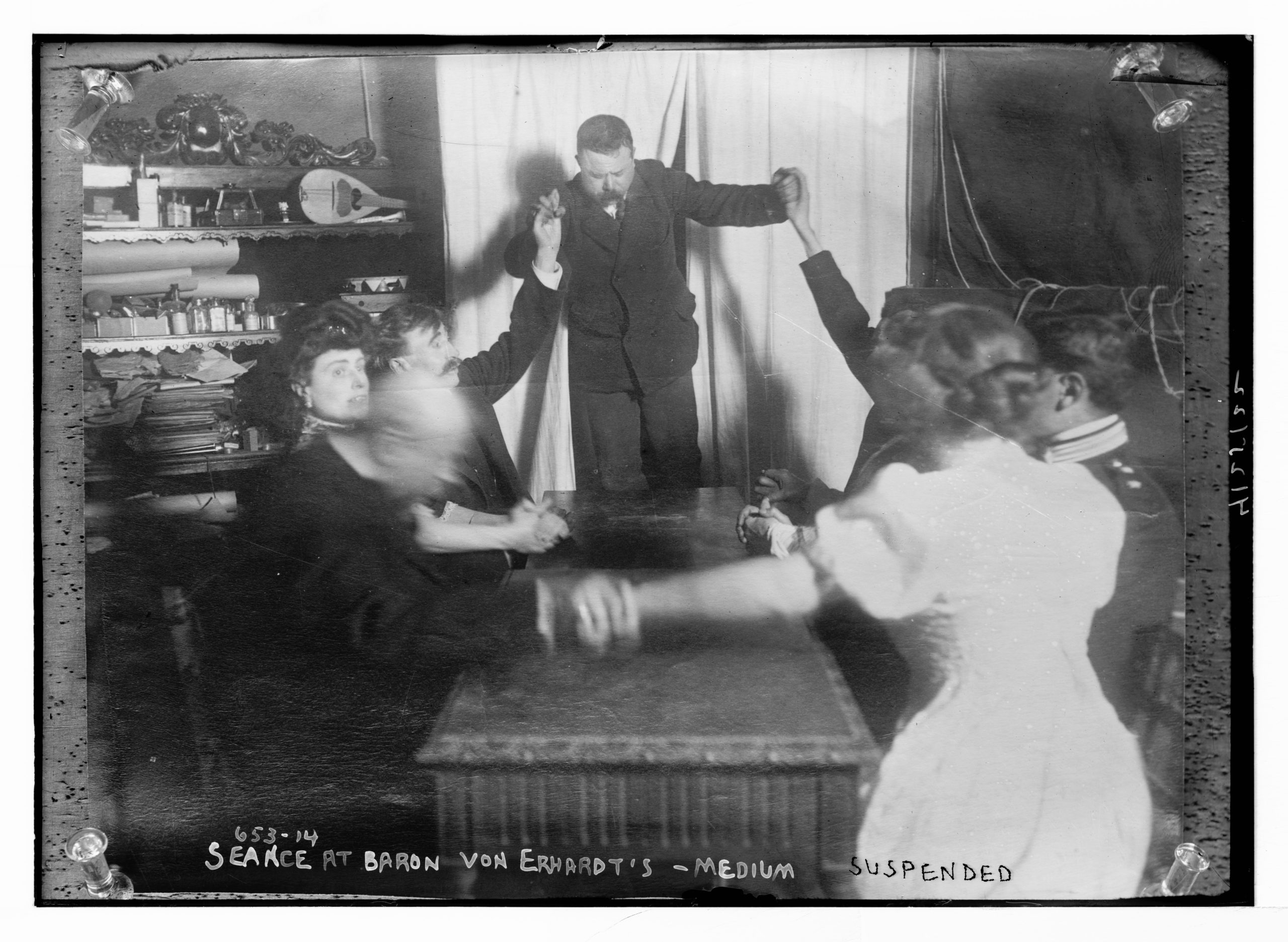
Long before television, radio, or social media, people gathered around dining tables in darkened rooms and waited for the dead to answer them.
In Britain and America during the 19th century, séances became a surprisingly familiar part of everyday life. Families dimmed the lights, joined hands, placed their fingers against a table, and waited for the sounds that were supposed to come from somewhere beyond the room.
Sometimes there were knocks.
Sometimes the table moved.
And sometimes, according to those who believed, the dead spoke.
Spiritualism is often associated with Victorian séances, eccentric mediums, and elaborate haunted houses, but the movement was much larger than that. It attracted people from different social backgrounds, including working-class families, shopkeepers, teachers, farmers, and members of the middle class.
So why were so many ordinary people willing to believe that the dead were reaching back?
The answer has less to do with a sudden obsession with ghosts and more to do with what everyday life actually looked like in the 19th century.
Death Was Everywhere
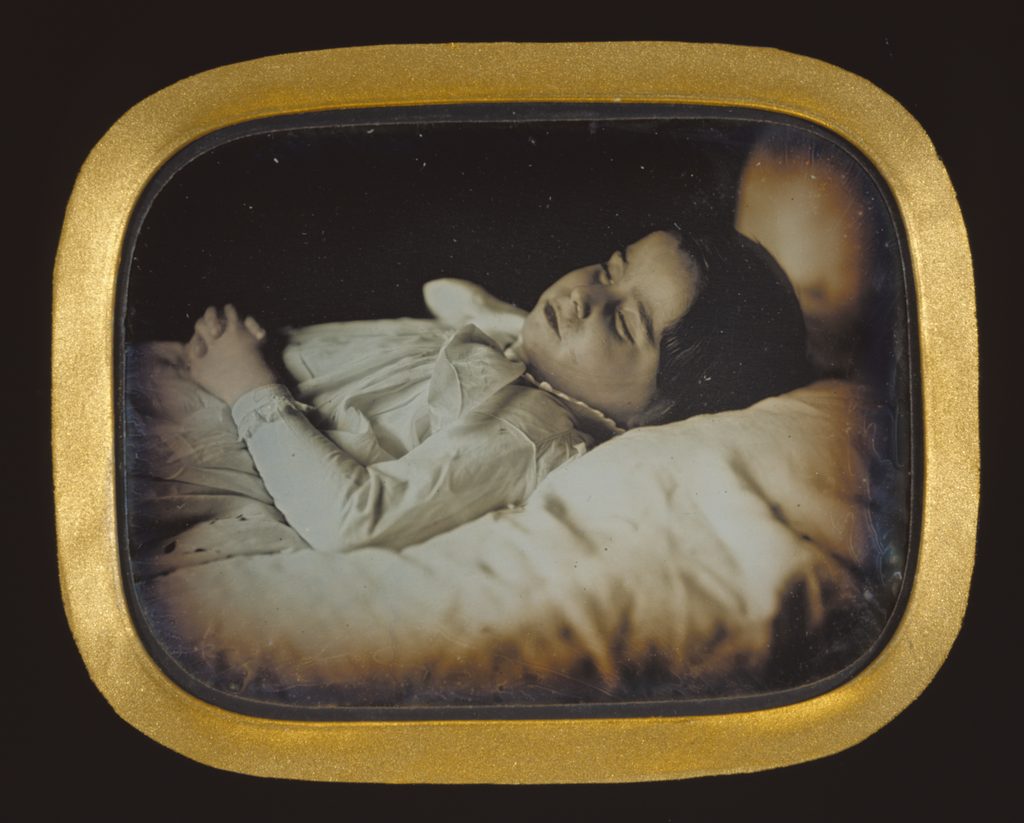
To understand Spiritualism’s appeal, it helps to understand how closely ordinary people lived with death.
Medical care was limited, sanitation was poor, and diseases such as cholera, typhoid, and tuberculosis could move rapidly through communities. Childhood mortality was particularly devastating. Losing a child was not an unusual tragedy reserved for a handful of unlucky families. It was a possibility that many parents had to live with.
Death also happened at home.
Unlike today, where serious illness and dying are often managed in hospitals or specialized care facilities, Victorian families frequently cared for sick relatives in their own houses. Children grew up seeing illness, death, mourning, and burial as part of ordinary life.
Grief was therefore not something that could easily be separated from the rest of the household. The person who had died might have slept in the next room only days earlier. Their clothing was still in the house. Their belongings were still there. Their photograph might sit on a table.
And yet the person themselves was gone.
Traditional Christianity offered answers about the afterlife, but Spiritualism offered something that felt much more immediate. Instead of being told that a deceased loved one was somewhere beyond the physical world, Spiritualism claimed that the dead could communicate directly with the living.
A grieving mother could ask whether her child was safe.
A husband could ask whether his deceased wife was still near him.
A family could sit together and listen for an answer.
That possibility was incredibly powerful.
The Telegraph Changed How People Imagined the Invisible
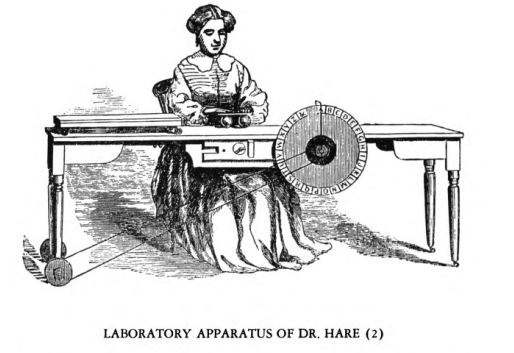
Spiritualism also emerged at a fascinating moment in technological history.
The 19th century was full of inventions that made the invisible suddenly feel less mysterious. Telegraph wires could carry messages over enormous distances using electrical signals that could not be seen. Photography could capture a person’s likeness and preserve it long after they were gone.
People did not necessarily understand the science behind these inventions, but they could see the results.
Something invisible could travel.
A message could cross a great distance without the sender physically carrying it.
A person’s image could appear on glass or paper.
In that environment, the idea that some unseen force could carry a message from the dead did not seem quite as impossible to many people as it might sound today.
Spiritualists sometimes compared communication with the dead to the telegraph. If an invisible force could carry a message across a wire, perhaps another invisible force could carry a message across the boundary between life and death.
The comparison was not proof of anything, but it gave Spiritualism a language that made the supernatural feel strangely compatible with the modern world.
The same era that was speeding up communication was also making people wonder what else might be possible.
Then Came the Knocking
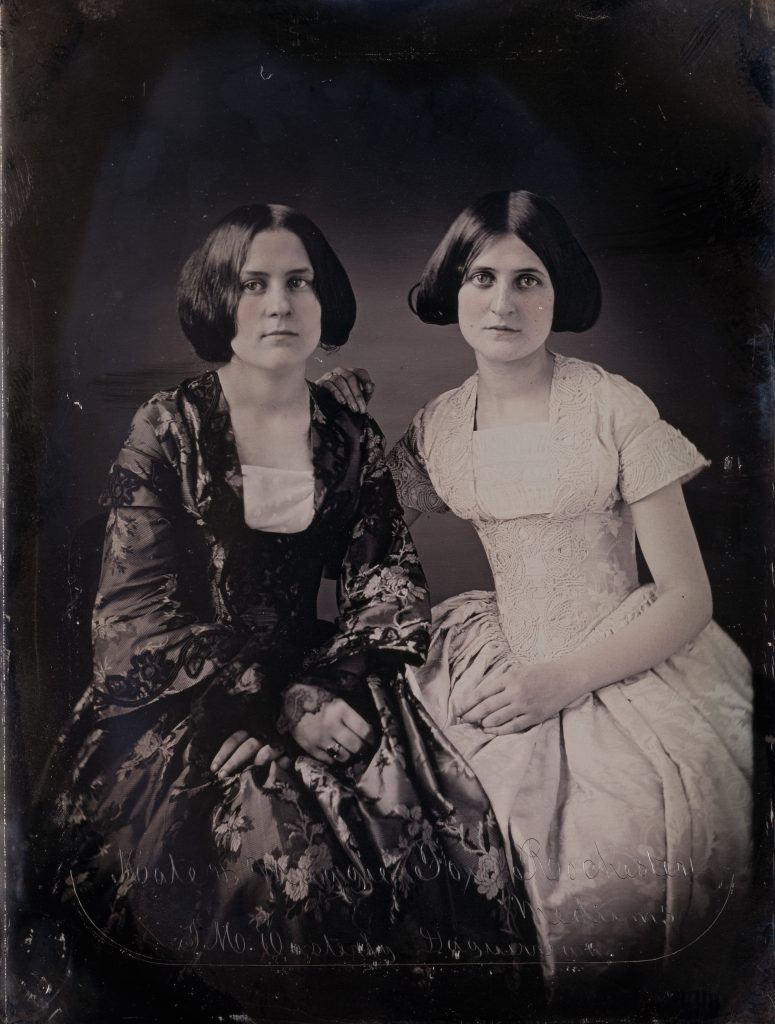
The Spiritualist movement is generally traced back to 1848 and a farmhouse in Hydesville, New York.
Two sisters, Maggie and Kate Fox, reported hearing mysterious knocking sounds in their home. According to their later accounts, the sounds appeared to respond to questions, creating the impression that an unseen presence was communicating with them.
The story spread quickly.
Newspapers reported on the strange events, and the so-called Hydesville Rappings became a sensation. Soon, people across the United States were experimenting with similar forms of communication themselves.
That was part of what made the movement so difficult to contain.
You did not need a church.
You did not need an expensive machine.
You did not need a university education.
You needed a dark room, a few willing participants, and a table.
Suddenly, ordinary people could attempt something that had previously belonged to the realm of religion and folklore. They could try to communicate with the dead in their own homes and decide for themselves whether the answers they received were real.
A Religion Without a Priest
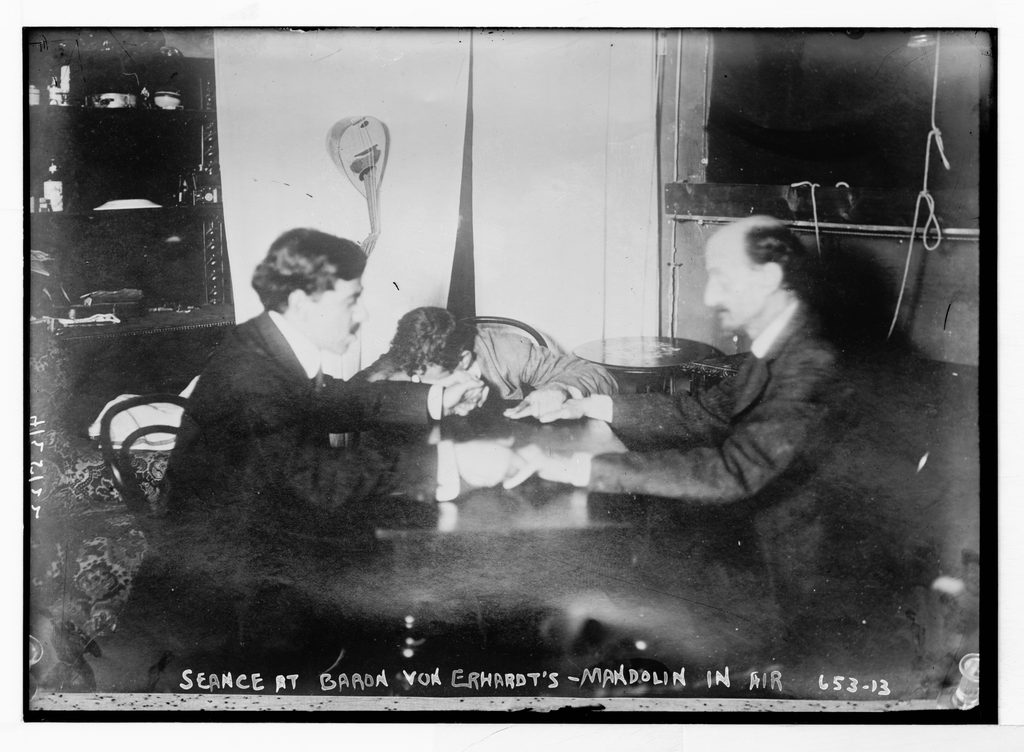
This was one of Spiritualism’s most appealing features.
Traditional religious institutions placed authority in ministers, priests, scripture, and established doctrine. Spiritualism offered a different kind of authority. The experience could happen in your own parlor.
A family could gather, dim the lamps, place their hands on the table, and try to contact someone they had lost.
No one needed to wait for a priest to interpret the afterlife for them. The medium became the intermediary, but the experience itself could feel intensely personal.
For people living through rapid technological change, political upheaval, industrialization, and enormous personal loss, Spiritualism offered an unusual mix of old and new.
It was supernatural, but it often borrowed modern scientific language.
It dealt with death, but promised continued connection.
And perhaps most importantly, it gave grieving people the possibility of staying connected to those they had lost.
The Victorian fascination with Spiritualism was not simply about wanting to see a ghost. For many believers, it was about the possibility that death had not actually ended the relationship they had with someone they loved.
The knock on the table was only a sound.
But if you were grieving badly enough, it could sound like an answer.
Leave a Reply