
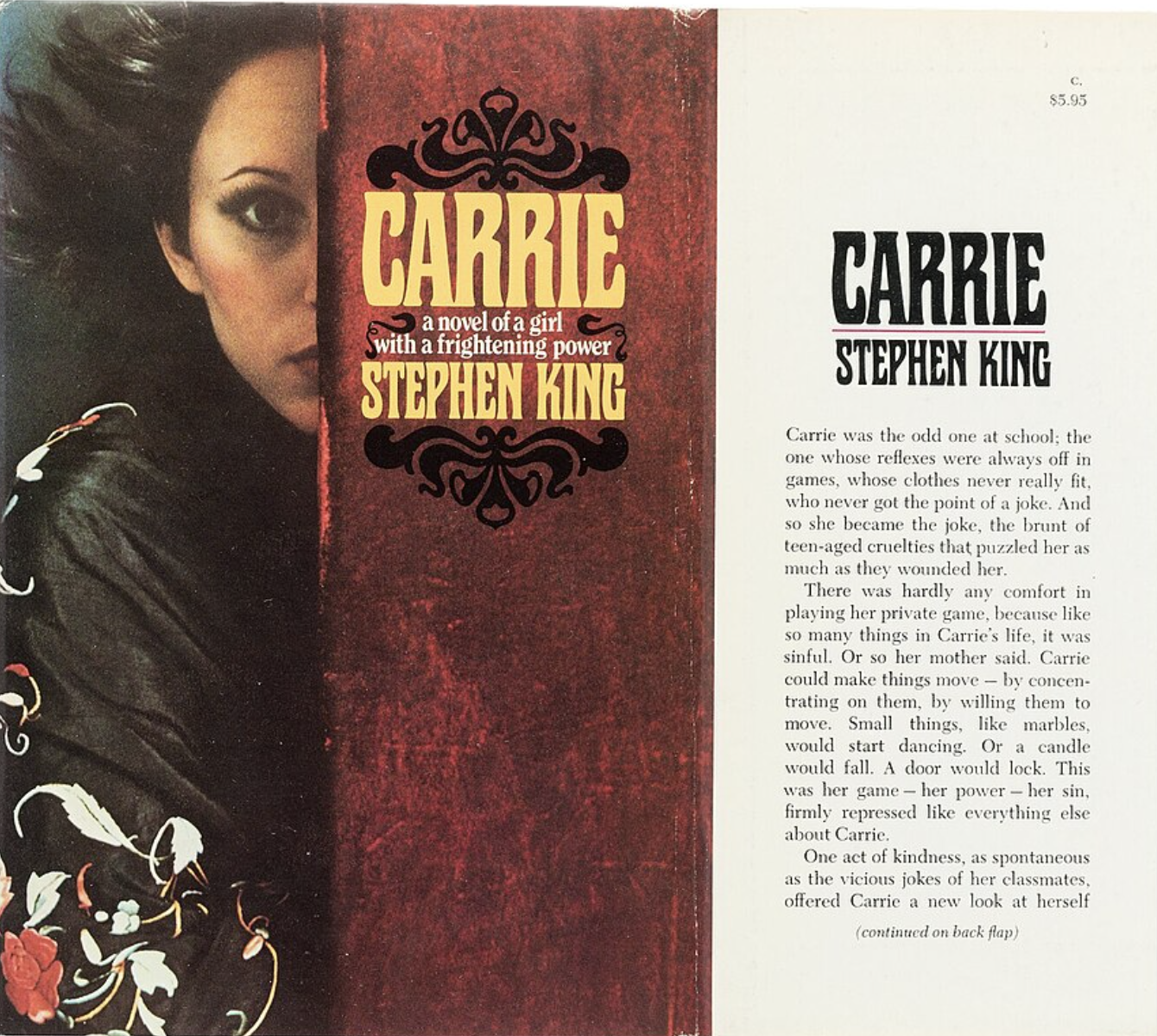
Stephen King’s Carrie opens with one of the most brutal and uncomfortable scenes in horror history.
Carrie White gets her first period in the gym shower and completely loses it. She is not simply embarrassed. She is terrified. Having received no education about her own body, she genuinely believes she is bleeding to death. Instead of helping her, her classmates laugh and throw tampons and pads in her direction while she huddles on the cold tile, screaming, “Plug it up!”
Things only get worse when Carrie returns home to her fanatically religious mother, Margaret, who sees the event as a moral failure rather than a normal part of growing up. Margaret tells her that the blood is a curse, a physical manifestation of sin, then locks her inside a dark closet to pray for forgiveness.
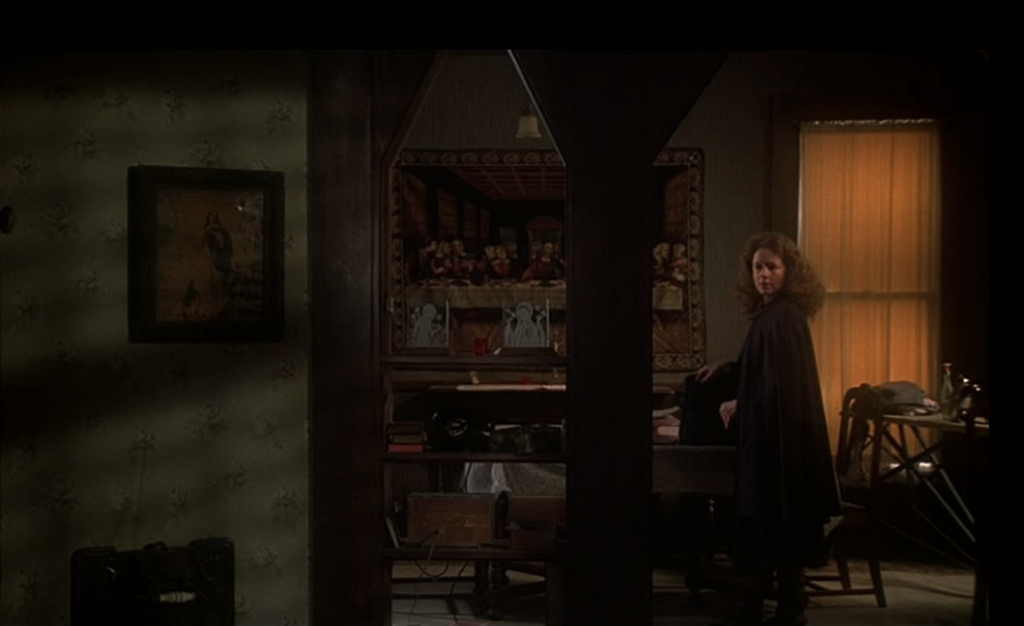
It is easy to dismiss Margaret White as an exaggerated horror villain. Her religious fanaticism is extreme, and her treatment of Carrie is abusive. But the beliefs surrounding her character have a much longer history than the fictional town of Chamberlain, Maine.
Based on the story’s timeline, Margaret was likely born in the early 1930s. By the time she was raising Carrie, ideas about menstruation had already been shaped by centuries of religious teachings, medical theories, social taboos, and deliberate secrecy.
Margaret’s obsession with shame did not emerge out of nowhere. It grew from a culture that had spent generations teaching women to keep their bodies hidden.
By the early twentieth century, that secrecy had become a business in its own right. In 1928, Johnson & Johnson’s Modess introduced a silent purchase coupon that allowed women to buy sanitary napkins without having to ask for them aloud at the counter. Period products were marketed with an emphasis on discretion, while advertisements relied on euphemisms such as “sanitary protection” rather than openly discussing menstruation.
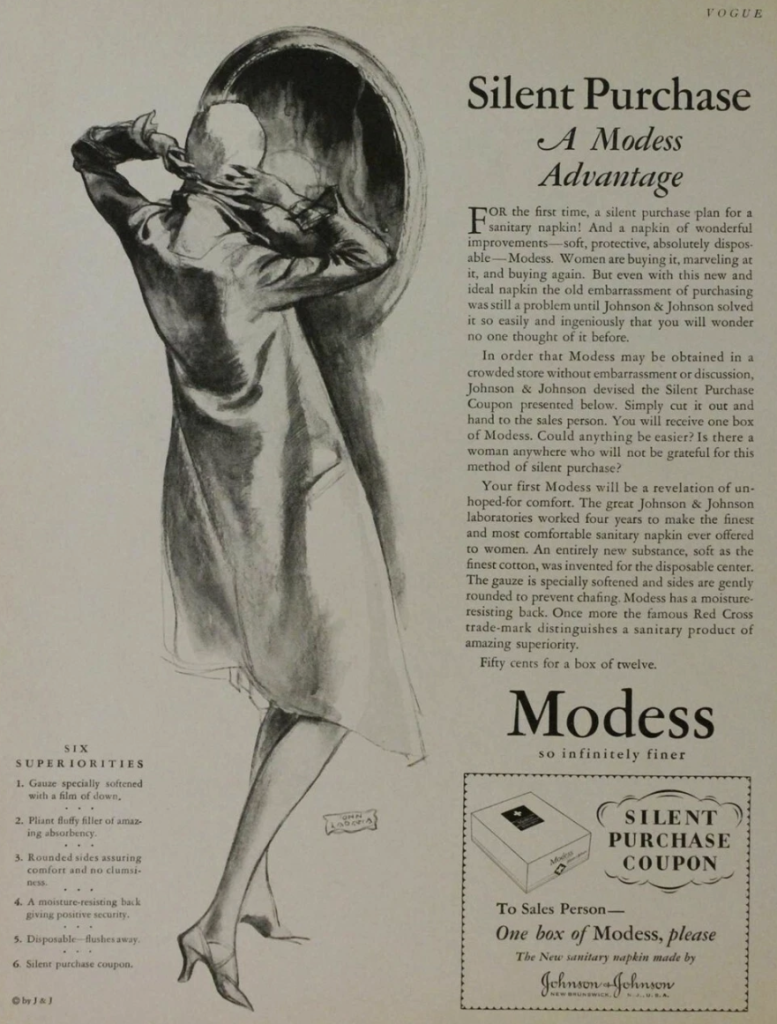
The message was clear. A woman could manage her period, provided nobody had to know about it.
That commercial secrecy was only the latest expression of a much older problem. For centuries, menstruation had been interpreted through religious, medical, and cultural beliefs that sometimes portrayed women’s bodies as dangerous, unclean, or difficult to control. These ideas varied across time and place, but they helped establish a pattern that would feel painfully familiar to anyone watching Carrie: a natural bodily function becomes something to fear, conceal, or feel ashamed of.
To understand how that happened, we have to go back long before Carrie.
The 1200s to the 1400s | Ancient Myths and Medieval Beliefs
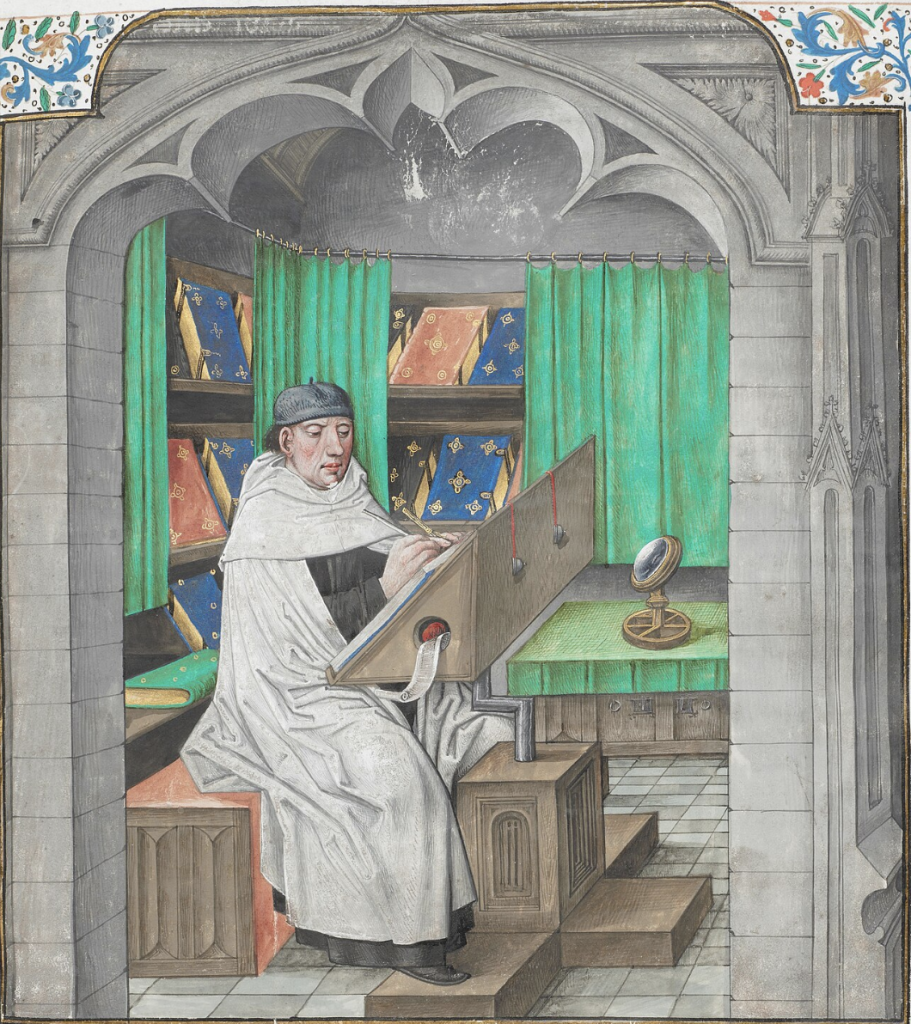
Long before Carrie White was imagined, European writers were repeating unsettling claims about menstruation.
Medieval medical and philosophical texts inherited ideas from ancient Greek and Roman authors who believed that menstrual blood possessed unusual properties. Some writers claimed that menstruating women could tarnish mirrors, damage crops, spoil wine, or cause other forms of harm simply through their presence or touch.
These claims were not based on reliable observation in the modern scientific sense. They reflected a worldview in which hidden forces governed the human body and the boundaries between physical health, spiritual purity, and supernatural danger were often blurred.
One influential framework was humoral theory, which held that health depended on maintaining a balance between four bodily fluids. Women were commonly described as colder and wetter than men, leading physicians to argue that menstruation helped remove excess blood from the body. Within this system, a normal reproductive process became evidence that women’s bodies required a different kind of management.
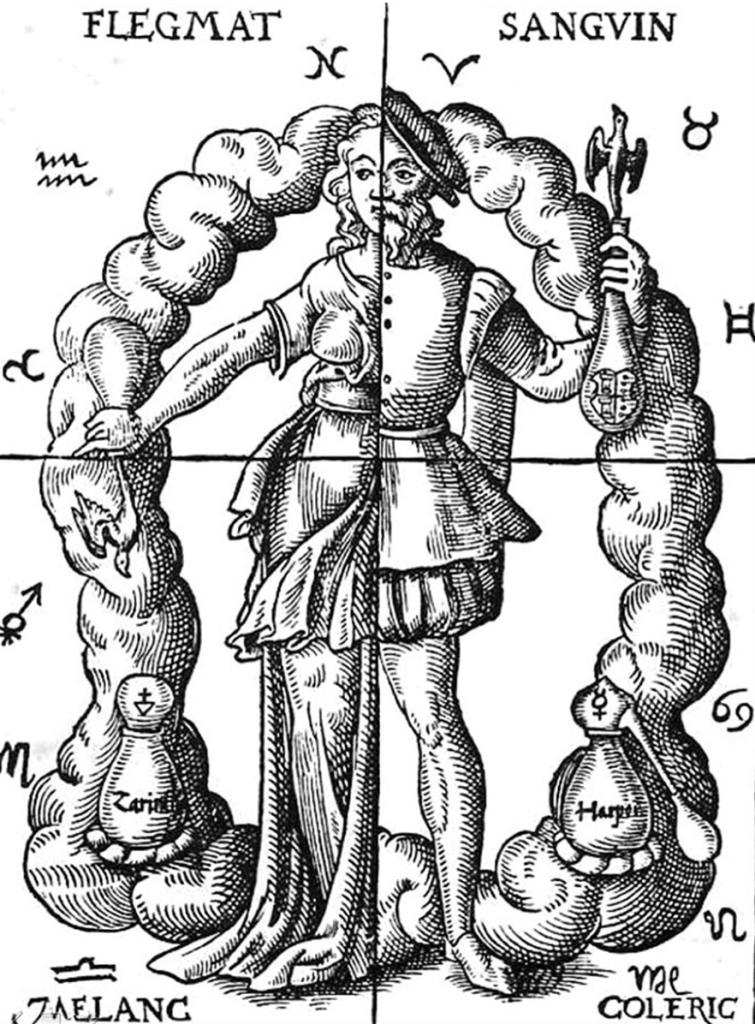
Religious beliefs could reinforce these medical assumptions. In parts of medieval Christian Europe, people discussed menstruation in relation to ritual purity and women’s participation in certain religious practices. Interpretations differed, and menstruation did not automatically exclude women from every sacred space or religious activity. Still, the association between menstrual blood and impurity gave existing anxieties a religious dimension.
Similar ideas about blood and bodily difference could also be used to stigmatize entire communities. Medieval Christian anti-Jewish writings, for example, circulated false claims that Jewish men experienced a recurring bodily discharge of blood. Such stories drew on existing medical assumptions about gender and physical difference to portray Jewish people as defective or contaminated.
These beliefs did not mean that everyone in medieval Europe thought about menstruation in the same way. Most people would never have read a medical treatise, and everyday attitudes varied considerably. What matters is that influential writers and institutions helped preserve ideas that could make women’s bodies seem mysterious, troublesome, or suspect.
No single universal understanding of menstruation existed across the world. African, Indigenous American, Asian, and other societies developed their own practices and interpretations, including traditions that connected menstruation with spiritual significance, fertility, seclusion, or communal identity. These beliefs varied enormously between cultures and communities.
The important distinction is that menstrual stigma was never a single, universal human belief. It developed in particular historical settings, and those settings would change as European institutions gained greater influence over medicine, religion, and colonial societies.
The 1500s | Witch Hunts, Printing, and the Spread of Fear
By the sixteenth century, European fears about women’s bodies were circulating in a world increasingly shaped by printed books.
The printing press had made it possible to reproduce religious, medical, and philosophical texts on a scale that manuscripts could not match. It did not invent old prejudices, but it helped particular ideas travel farther and reach more readers.
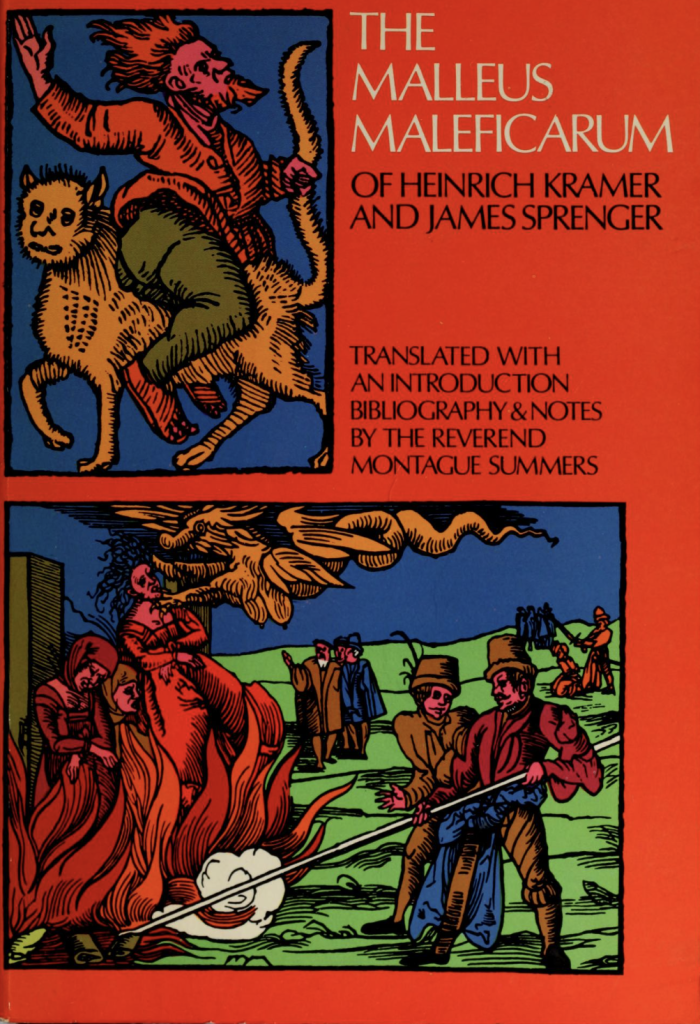
Among the works circulating during this period was the Malleus Maleficarum, or The Hammer of Witches, published in 1487. Written by Heinrich Kramer, the text argued that women were especially susceptible to witchcraft because of their supposed moral and spiritual weaknesses. Its influence varied, and it was not the sole authority behind European witch trials, but it became one of the best-known works of early modern witchcraft literature.
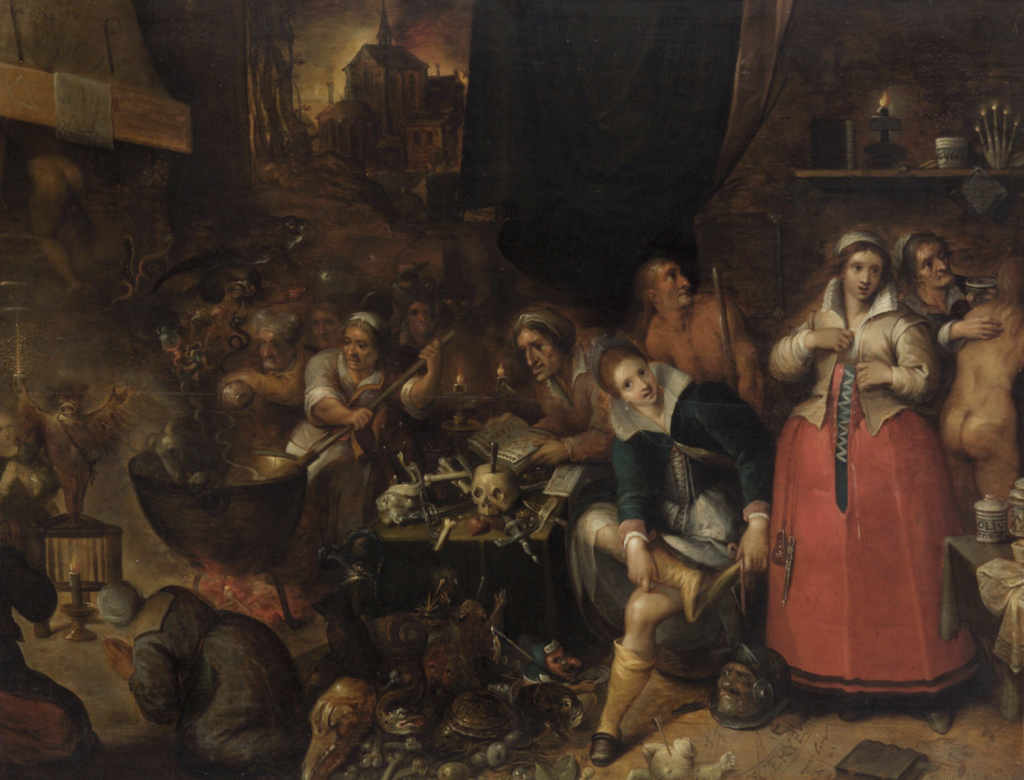
The wider culture of witchcraft accusations created a dangerous environment for women whose behavior, knowledge, or circumstances made them suspicious to their neighbors. Midwives, healers, older women, and those involved in local disputes could find themselves caught up in accusations, although most people accused of witchcraft were not charged simply because of their reproductive biology.
Ideas about women’s bodies nevertheless formed part of the broader language used to explain female vulnerability and supposed corruption. Witchcraft literature described women as particularly susceptible to the Devil, while popular beliefs sometimes connected bodily fluids and reproductive functions with supernatural harm.
This created a set of overlapping fears. Religious authorities could describe women as spiritually vulnerable. Physicians could explain their bodies through theories of imbalance and weakness. Witchcraft writers could place both ideas within a larger story about temptation, corruption, and evil.
As European powers expanded into Africa and the Americas, these beliefs also traveled with missionaries, colonial officials, and European medical institutions. Colonial authorities often suppressed local religious practices and healing traditions, including the work of Indigenous practitioners and midwives. The process was neither uniform nor complete, but European ideas about religion, medicine, and bodily propriety increasingly became tools of colonial control.
This was not a simple story of one culture replacing another. Local traditions persisted, adapted, and resisted colonial influence. Even so, European institutions helped spread their own standards of religious and medical authority, including assumptions about which bodies were pure, respectable, or in need of correction.
By the seventeenth century, the language used to explain female biology would begin to change. The underlying suspicion, however, did not disappear.
The 1600s to the 1700s | The Wandering Womb and the Problem of Female Nature
As European medicine developed, physicians increasingly tried to explain women’s suffering through anatomy and physiology rather than relying entirely on supernatural explanations. Yet medical theories did not always abandon older assumptions. Sometimes they gave them a new vocabulary.
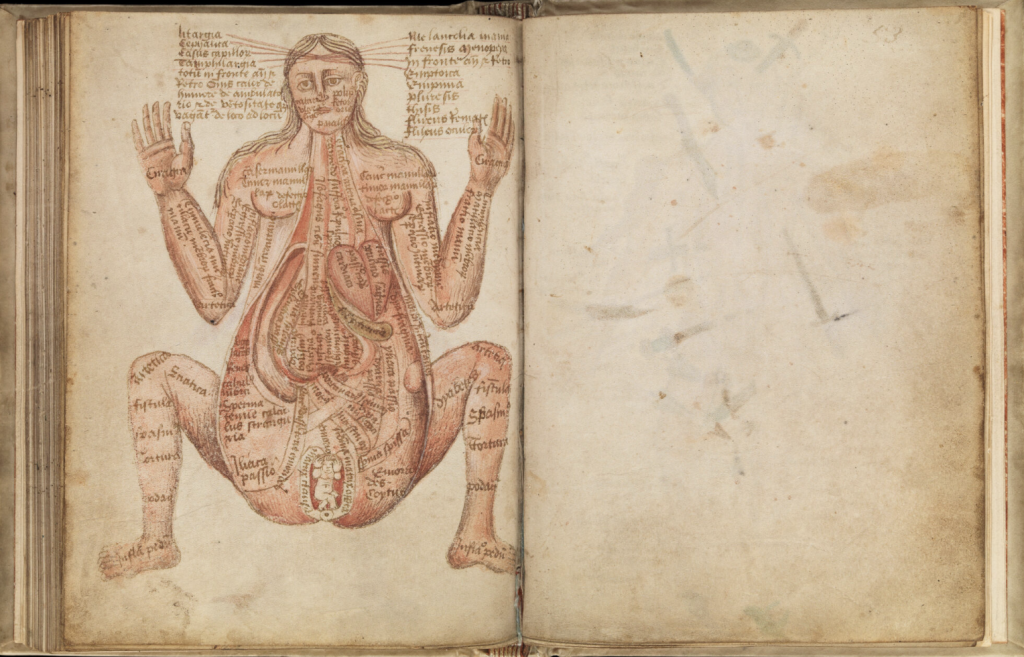
One example was the idea of the wandering womb, an ancient Greek medical concept that continued to influence discussions of women’s health. Some physicians believed the uterus could move from its proper position and press against other organs, producing symptoms such as fainting, breathing difficulties, convulsions, or changes in behavior.
The theory reflected a limited understanding of reproductive anatomy and the nervous system. It also encouraged physicians to interpret a wide range of symptoms through the uterus, even when the connection was unclear or nonexistent.
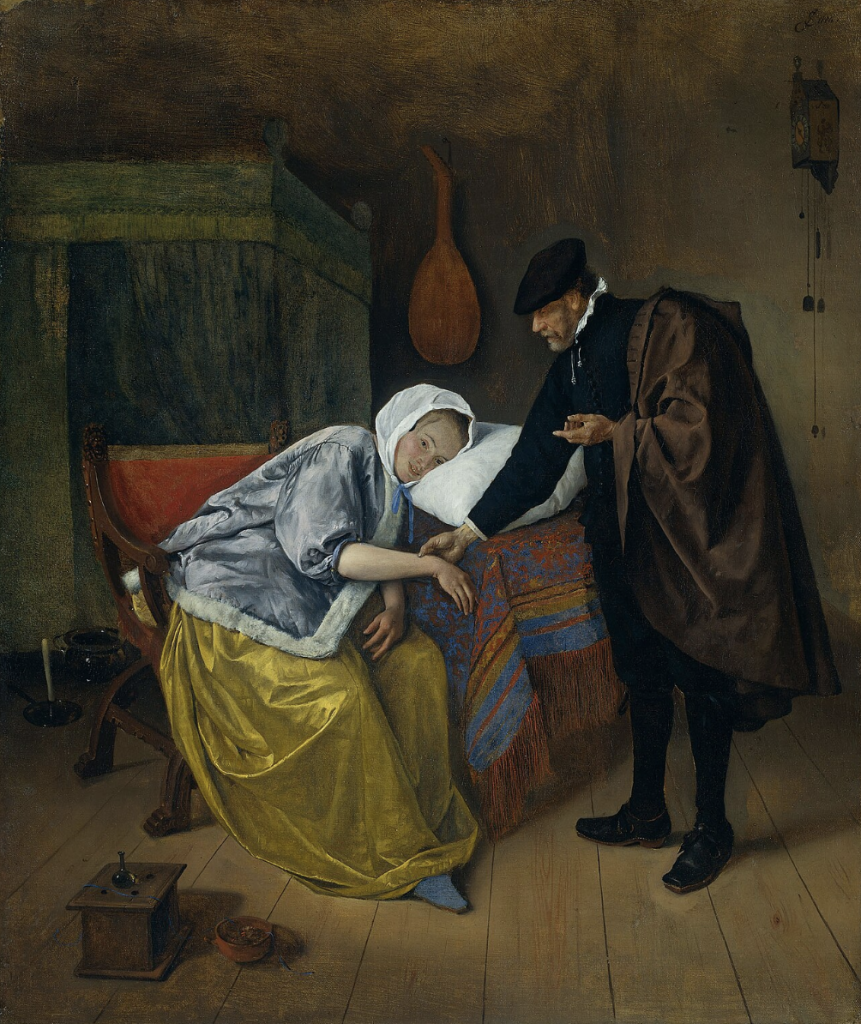
Menstrual blood itself could inspire similar anxieties. Within humoral medicine, physicians sometimes believed that retained or corrupted bodily fluids could cause illness. Menstruation was therefore treated not merely as a routine biological process, but as something whose disruption might endanger a woman’s health.
These explanations could make the female body seem unpredictable. If menstruation was necessary to remove excess blood, what happened when it stopped? If a woman’s reproductive organs influenced her physical and emotional state, could almost any unexplained illness be traced back to them?
Such questions became especially relevant to older women. Some physicians working within humoral traditions believed that the loss of menstruation after menopause could allow harmful substances to accumulate in the body. These ideas contributed to historical associations between aging women, physical corruption, and supernatural danger, although beliefs about older women varied and cannot be reduced to a single theory.
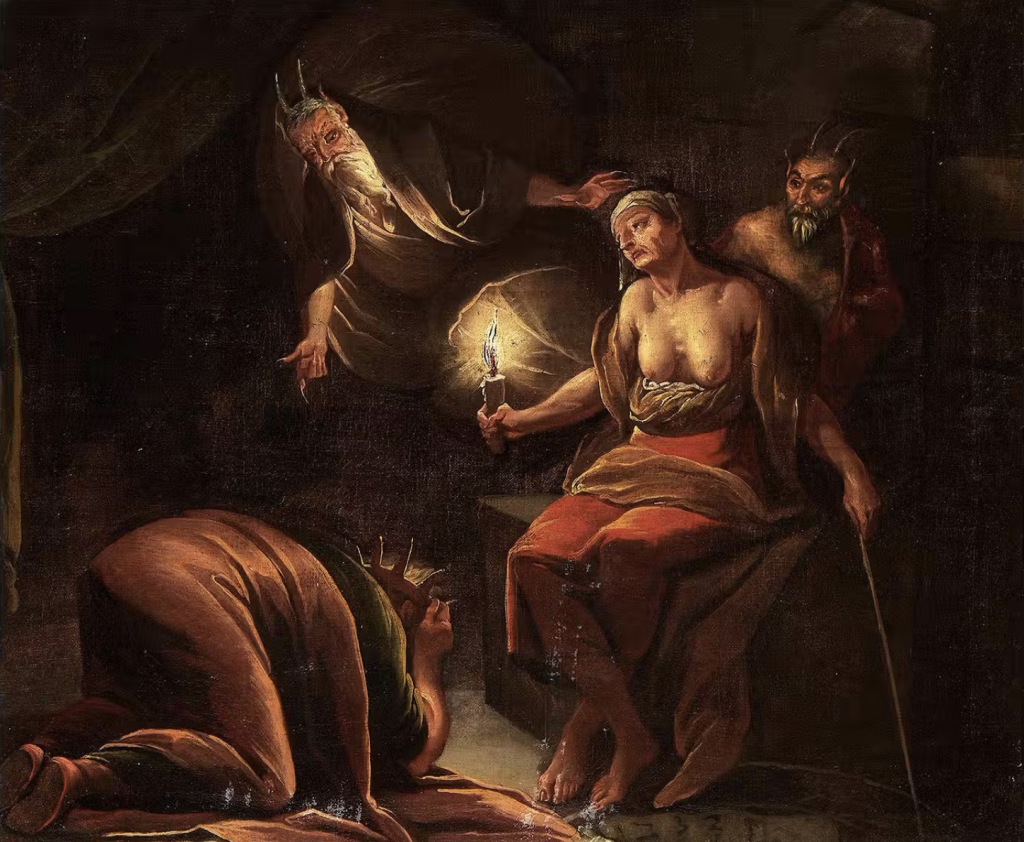
By the eighteenth century, the Enlightenment encouraged new approaches to science, medicine, and the classification of human bodies. Physicians increasingly investigated anatomy and physiology, and older explanations gradually lost ground. But scientific progress did not automatically eliminate prejudice.
Women were increasingly described through a different set of assumptions. Rather than portraying them primarily as physically contaminated, some medical writers emphasized their supposed delicacy, nervous sensitivity, and limited capacity for intellectual exertion.
The language had changed, but the effect could be similar. Women’s bodies were still used to justify restrictions on what they could study, how they should behave, and which roles they were considered capable of fulfilling.
Act IV: The 1800s | Victorian Medicine and the Fear of Female Weakness
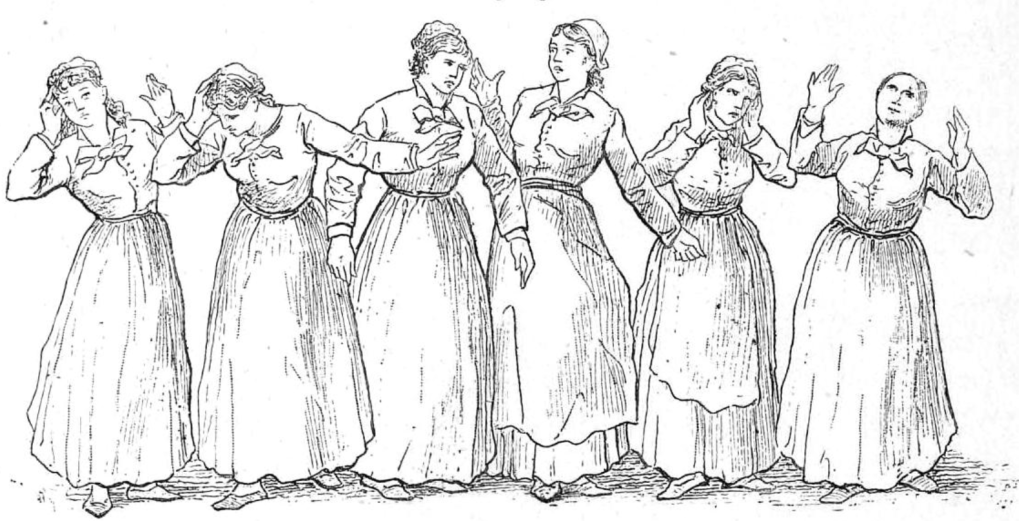
By the nineteenth century, debates about women’s education and social roles had become closely tied to medical ideas about reproduction.
Some physicians believed that menstruation placed particular demands on a woman’s body and that intellectual or physical exertion could interfere with reproductive health. These claims gave scientific authority to arguments that women were naturally unsuited to certain activities, including higher education.
In 1873, Harvard physician Edward H. Clarke published Sex in Education; or, A Fair Chance for Girls. Clarke argued that higher education could damage women’s reproductive health because the body could not adequately support both intellectual development and reproductive function at the same time. His claims reflected the medical assumptions of his era rather than sound evidence about women’s ability to learn.

The implications were significant. If education supposedly endangered a woman’s health or future fertility, excluding women from universities could be presented as an act of protection rather than discrimination.
Another example was the rest cure, associated with physician Silas Weir Mitchell in the late nineteenth century. Mitchell prescribed prolonged bed rest, isolation, restricted intellectual activity, and other measures for patients diagnosed with nervous exhaustion. The treatment was used particularly often for women, although not exclusively, and its effects could be deeply distressing.
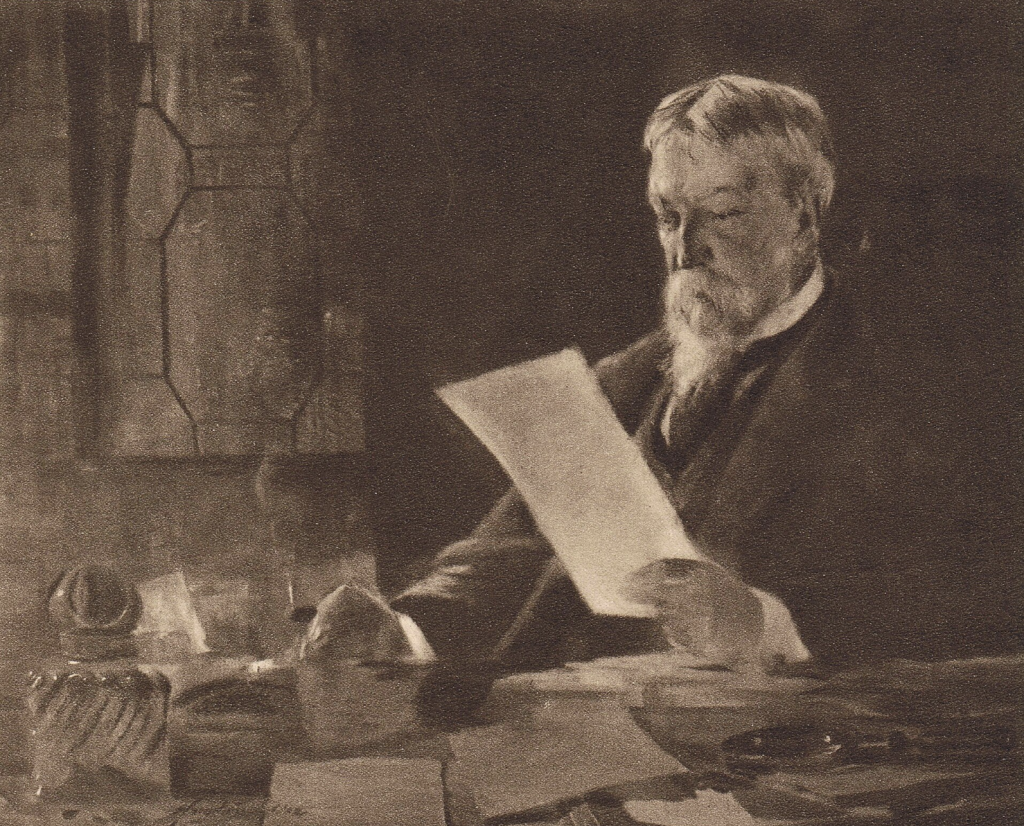
These practices reflected a broader tendency to interpret women’s emotional and physical difficulties through assumptions about sex and reproductive biology. Menstruation, pregnancy, and the possibility of motherhood could all become part of medical explanations for symptoms that physicians did not fully understand.
But the ideal of the delicate woman was never applied equally.
Affluent white women were sometimes told that their bodies were too fragile for strenuous work or serious intellectual activity. Enslaved Black women, by contrast, had been forced to endure brutal labor under slavery, while working-class women continued to perform demanding factory and domestic work. Their physical suffering was frequently disregarded.
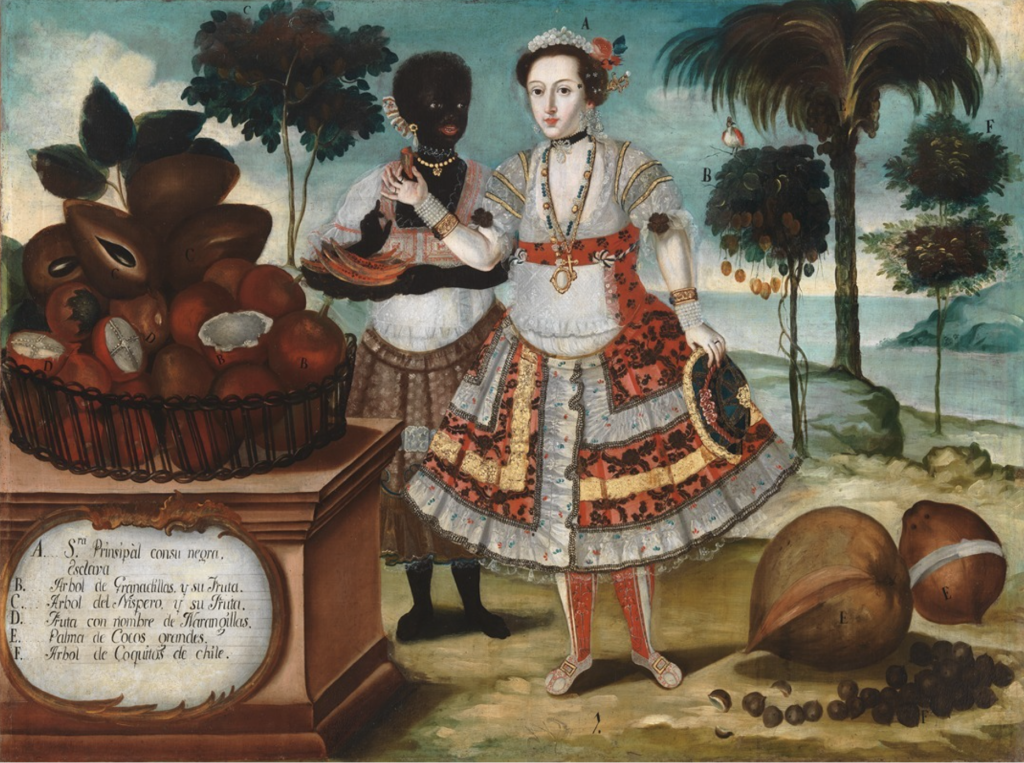
The supposed fragility of women was therefore not simply a medical belief. Class, race, and social expectations also shaped it. For some women, it became a justification for confinement and dependence. For others, the same culture offered little protection at all.
By the early twentieth century, medical ideas about menstruation were changing again. Yet while physicians debated women’s health, manufacturers were finding a new way to turn the subject into a commercial market.
The 1920s to the 1940s | Selling Secrecy in Margaret White’s America
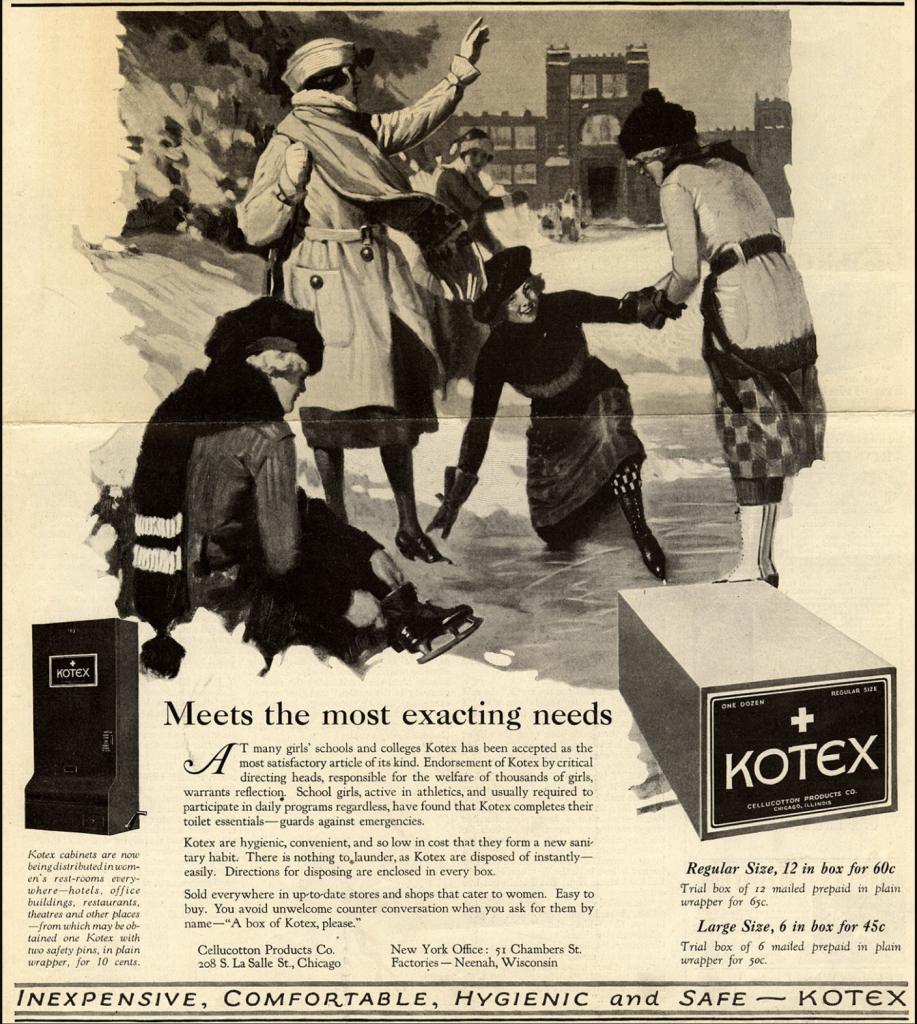
The development of disposable menstrual products changed how women could manage their periods. During the First World War, nurses used absorbent cellucotton dressings as an alternative to conventional materials. After the war, the same material helped manufacturers develop disposable sanitary napkins for commercial sale.
Brands such as Kotex and Modess brought these products to a growing market. But selling them meant navigating a culture in which menstruation was rarely discussed openly.
Manufacturers responded by making discretion part of the product itself.
In 1928, Johnson & Johnson’s Modess introduced its silent purchase coupon. A woman could present the coupon and payment at a drugstore counter to obtain sanitary napkins without having to ask for them aloud. The product was available, but the transaction was designed to minimize conversation.
The significance of this practice goes beyond an unusual shopping arrangement. It shows how deeply the expectation of secrecy had entered everyday life. Menstruation was becoming easier to manage with commercial products, but openly acknowledging it remained uncomfortable enough that companies built silence into the buying experience.
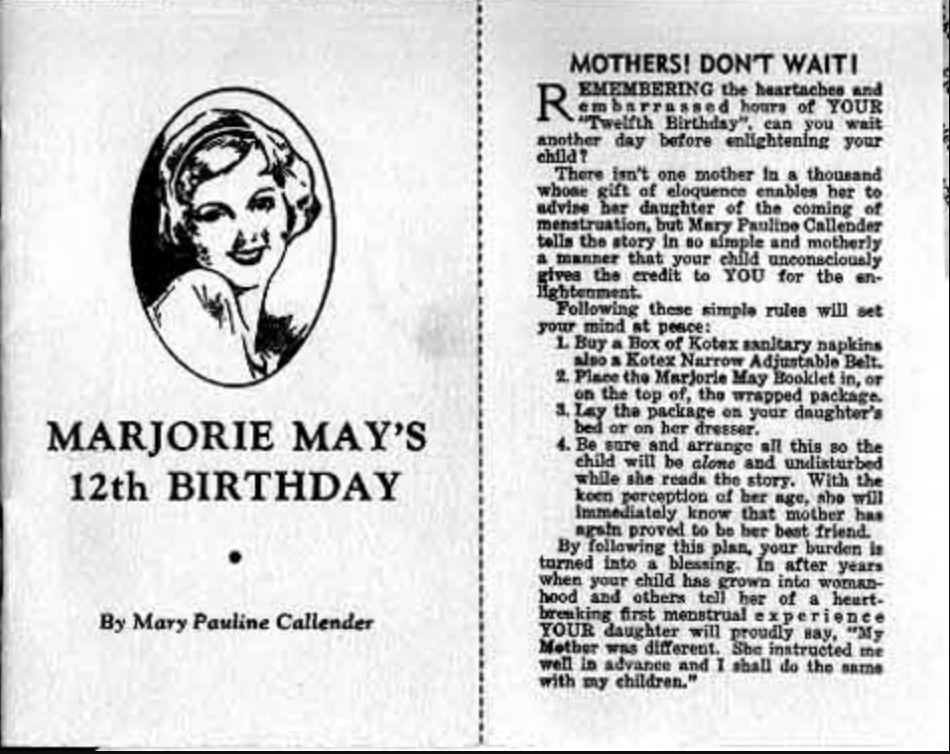
Educational materials reflected the same tension. Menstrual booklets, including Kotex’s Marjorie May’s Twelfth Birthday, introduced girls to menstruation while emphasizing cleanliness, discretion, and using branded products. These materials could provide information that girls might not receive elsewhere, but their lessons often centered on managing the period properly rather than discussing the body without embarrassment.
The Second World War brought further changes. As more women entered industrial work, practical information about menstruation became increasingly useful in schools and public education. In 1946, Disney released The Story of Menstruation, an animated educational film distributed for classroom use.
The film explained the basic mechanics of the menstrual cycle, making it an important example of mainstream menstrual education. Yet its message extended beyond biology. It also emphasized grooming, cleanliness, emotional composure, and the importance of maintaining one’s usual activities.
In other words, girls were being taught what happened to their bodies, but they were also being taught how to keep the experience under control and out of public view.
This is the world that helps make Carrie’s opening so unsettling. Margaret White belongs to an earlier generation, one that came of age while menstruation was still surrounded by silence, shame, and limited access to reliable information. The culture around her did not automatically make every woman fanatical or abusive. Still, it provided a language through which ordinary bodily changes could be treated as embarrassing, dangerous, or morally charged.
Margaret takes those ideas to a horrifying extreme. She does not simply want Carrie to keep her period private. She teaches her that her own body is evidence of sin.
And that is where the historical story and the horror story meet.
Decoding the Horror of Carrie

When Stephen King published Carrie in 1974, a girl reaching puberty without understanding what was happening to her was not an implausible premise. Menstrual education had improved in many places, but families, schools, and communities still differed widely in how openly they discussed the subject.
Carrie’s first period brings several fears together in one scene.
Ignorance: Carrie has never been given the information she needs to recognize a normal biological process. What should be an ordinary milestone becomes a terrifying medical emergency in her mind.
Social humiliation: Her classmates respond to her distress with cruelty. Instead of helping her, they turn her fear into entertainment, reinforcing the idea that menstruation is something shameful.
Religious guilt: Margaret interprets the blood as proof of sin. Her response transforms a biological change into a moral accusation, leaving Carrie with no safe place to turn for help.
These elements work together to make the scene so disturbing. Carrie is frightened because she does not understand her body, humiliated because others exploit her ignorance, and punished at home. After all, the person who should protect her teaches her to fear herself.
The supernatural element turns this ordinary biological event into something extraordinary. In the story, Carrie’s emerging telekinetic abilities become entangled with puberty, repression, and the rage she has been forced to suppress. Her body changes, her emotions intensify, and the world around her responds with cruelty rather than understanding.

The historical connection does not mean that medieval medical beliefs directly caused Margaret White’s behavior, or that every generation passed down the same attitudes unchanged. The reality is more complicated. Religious teachings, medical assumptions, commercial secrecy, and social expectations developed differently across the centuries.
What connects them is a recurring pattern: menstruation becomes more than a bodily function. It becomes a test of a woman’s morality, self-control, respectability, or worth.
That is what makes the opening of Carrie so uncomfortable.
The horror is not that Carrie gets her period. It is that the people around her have taught her to fear something completely ordinary, while withholding the knowledge that might have helped her understand it.
Carrie’s supernatural elements are fiction. The history of menstrual shame, however, is very real. And by placing that history inside a horror story, Stephen King turns an experience shared by millions of women into a scene that exposes just how cruel ignorance and humiliation can become.
Fair Use and Copyright Notice
This article contains historical commentary and analysis referencing Stephen King’s Carrie and its 1976 film adaptation. Any film stills or visual excerpts included in the article are intended for criticism, commentary, and analysis. Their use must be evaluated in context under Section 107 of the United States Copyright Act. All rights to the original work and film remain with their respective copyright holders.
Leave a Reply