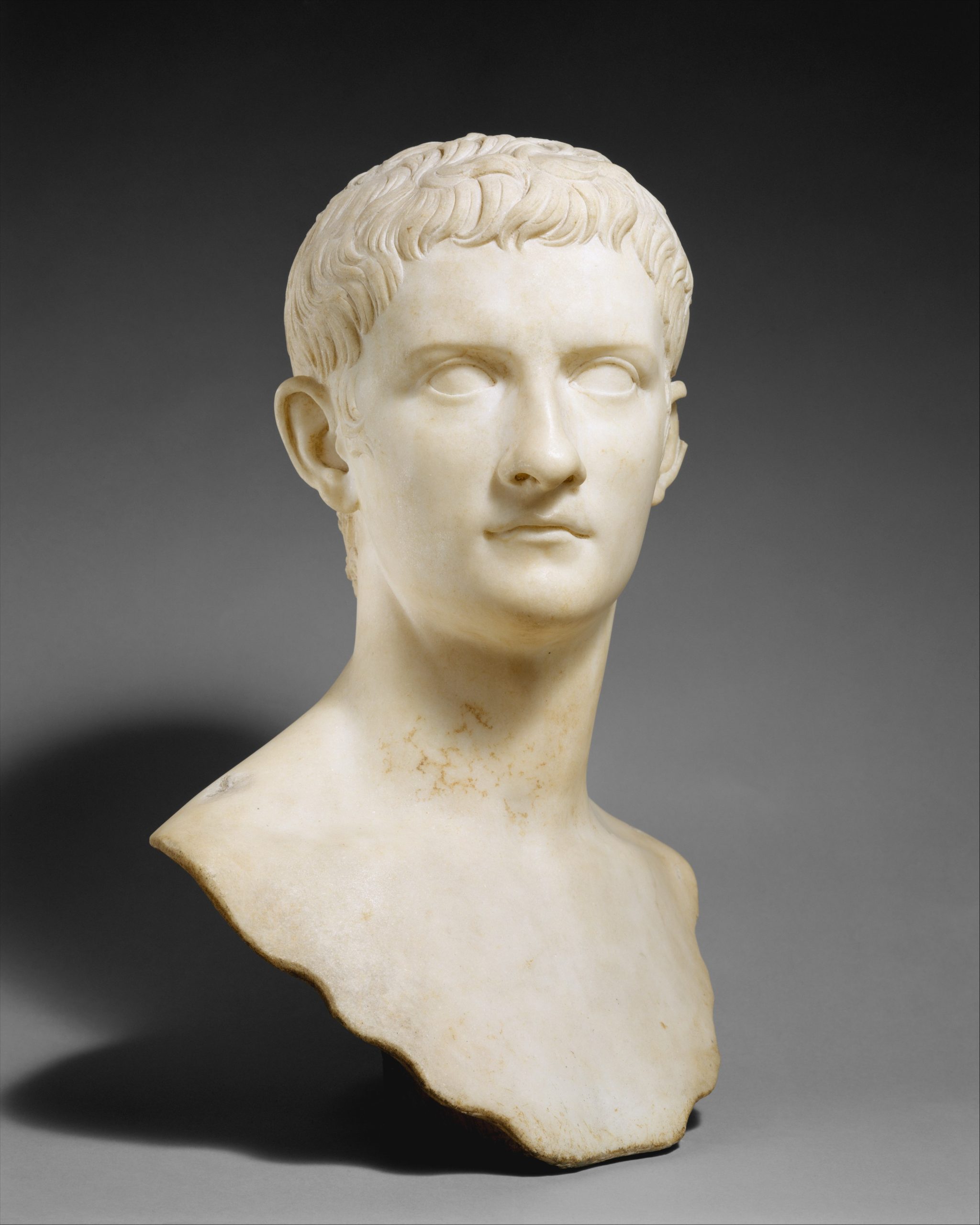
When we think of Emperor Caligula, the popular image is almost impossible to miss.
He was the mad emperor who appointed his horse to the Senate, declared war on the ocean, demanded worship as a god, and spent Rome’s treasury on increasingly bizarre schemes.
It is an incredible story.
It also comes almost entirely from hostile ancient sources written after his death.
That does not mean Caligula was innocent of cruelty, political violence, or authoritarian rule. He was a monarch ruling an empire where executions and intimidation were very real tools of power.
But the further we look into the surviving evidence, the harder it becomes to separate the historical Caligula from the monster created by generations of Roman writers.
Here are seven of the most famous myths about Rome’s third emperor and what we actually know about them.
1. Myth: Caligula Appointed His Horse to the Senate
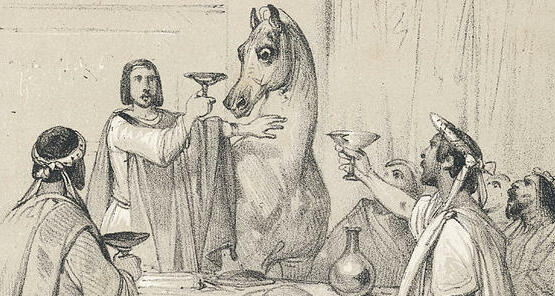
Perhaps no story is more closely associated with Caligula than the emperor who supposedly decided his favorite horse deserved a seat in the Roman Senate.
According to the popular version, Caligula was so deranged that he elevated his horse, Incitatus, to consul and expected Rome’s most powerful politicians to accept it.
A real story underlies the legend, but it is not that simple.
The ancient biographer Suetonius describes Incitatus living in extraordinary luxury. The horse reportedly had a marble stall, an ivory manger, servants, and even a household designed to entertain guests.
Suetonius also says Caligula threatened to make Incitatus consul.
But there is an important distinction here.
No evidence shows that Caligula actually made the horse a senator or consul.
The threat itself may have been the point.
The Roman Senate was one of the empire’s most powerful institutions, and Caligula increasingly treated its members with open contempt. Telling Rome’s aristocrats that he could replace them with a horse would have been an extraordinarily effective insult.
Whether the story represents a genuine threat, a joke, or an example of Caligula deliberately humiliating the Senate is impossible to know for sure.
2. Myth: Caligula Declared War on the Ocean
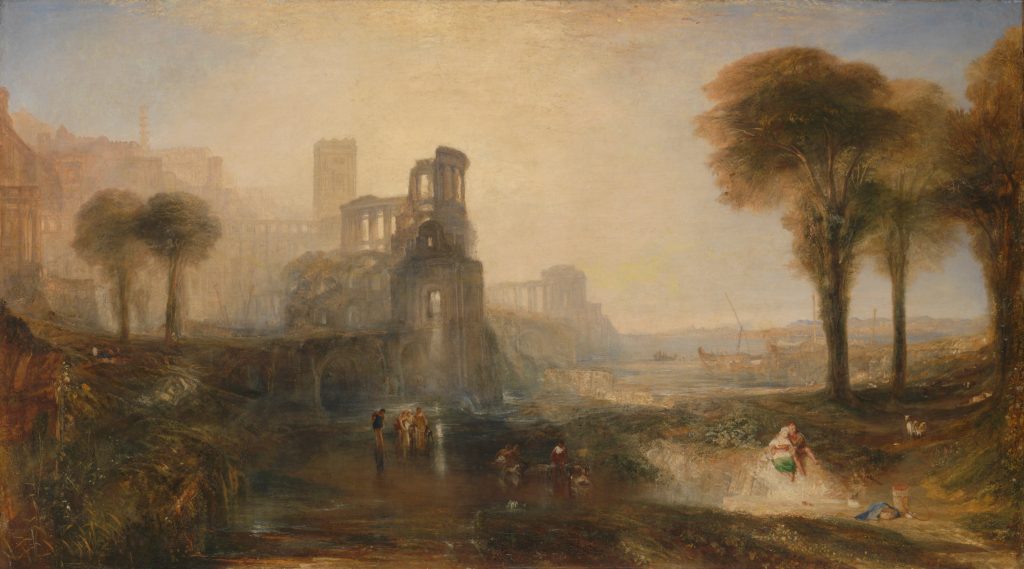
One of the strangest stories about Caligula claims that he marched his army to the coast, declared war on Neptune, and ordered his soldiers to attack the sea.
Then, after defeating the ocean, he supposedly commanded them to collect seashells as the spoils of war. This story is also false.
However, a real military expedition did take place.
Caligula was preparing for a campaign connected to Britain and brought his army to the northern coast of Gaul. The campaign did not unfold as planned, and the ancient accounts describe bizarre behavior involving the sea and the collection of shells.
The question is what that behavior actually meant.
One long-standing interpretation is that Caligula’s soldiers resisted his plans to cross the Ocean. Rather than simply executing the troops for disobedience, the emperor humiliated them by ordering them to gather shells.
The Latin terminology surrounding the episode has also generated debate, particularly because musculi could refer to small military structures or siege equipment as well as shellfish.
This has led some historians to interpret the incident as deliberate political theater rather than evidence that Caligula literally believed he had conquered the sea.
The exact circumstances remain uncertain.
What we can say with greater confidence is that Caligula did lead an army toward the Channel during preparations for a British campaign.
The image of an emperor declaring war on Neptune is much harder to establish.
3. Myth: Caligula Was Actually Named Caligula
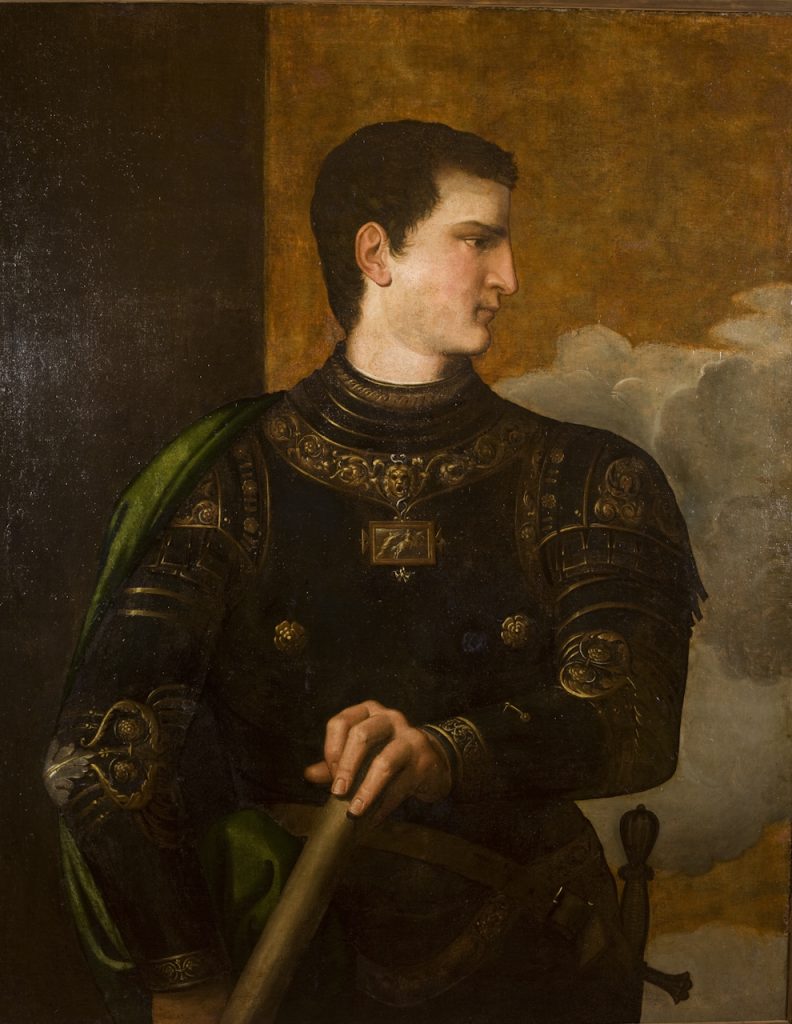
Caligula’s most famous name has a funny irony.
It was never actually his name.
The future emperor was born Gaius Julius Caesar Augustus Germanicus.
“Caligula” was a childhood nickname meaning roughly “Little Boots.”
His father, Germanicus, was one of Rome’s most celebrated military commanders. As a young child, Gaius accompanied his parents around military camps on the Rhine.
The soldiers apparently found the sight of the tiny boy dressed in a miniature military uniform entertaining. His little military boots, modeled after the caligae Roman soldiers wore, earned him the nickname Caligula.
The soldiers may have meant it affectionately.
Gaius did not.
According to Suetonius, he disliked the nickname as an adult.
And it is easy to understand why.
“Caligula” makes the emperor sound almost cartoonish. But to Romans living during his reign, he was Gaius Caesar, the son of Germanicus and the ruler of the Roman Empire.
The nickname, which began as a joke among soldiers, became the name history remembers.
4. Myth: Caligula Was Hated by Everyone in Rome
It is tempting to imagine Caligula arriving on the throne as a universally hated tyrant.
The reality was almost the opposite.
When he became emperor in 37 CE, Caligula was enormously popular.
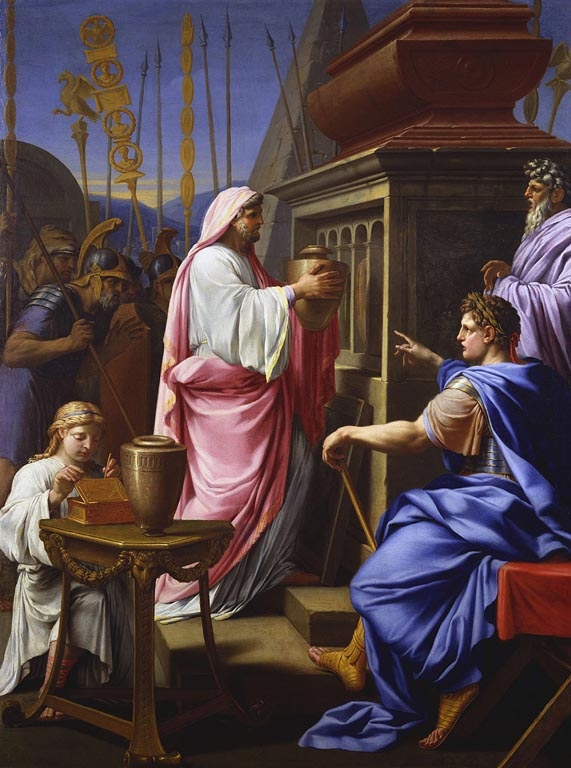
He was the son of Germanicus, a beloved military commander whose death had generated widespread grief and suspicion. Caligula’s accession therefore carried enormous emotional significance for many Romans.
His early reign reflected that popularity.
He recalled exiles, ended certain treason prosecutions, and staged public entertainments. The Roman people celebrated him as a welcome change from Tiberius’s increasingly unpopular final years.
But the relationship deteriorated.
Caligula increasingly clashed with members of the Senate and other elites, and ancient sources describe executions, confiscations, humiliations, and increasingly authoritarian behavior.
That does not mean every Roman suddenly turned against him.
The surviving evidence is too uneven to describe public opinion across the entire empire with that kind of certainty.
What we can say is that Caligula’s relationship with Rome’s political elite grew increasingly hostile, while his early popularity shows his reputation was not uniformly negative throughout his reign.
His story was not simply “everyone hated him.”
It was a rapid transformation from celebrated young emperor to deeply controversial ruler.
5. Myth: Ancient Historians Gave Us an Objective Account of Caligula
This is the most important myth to understand because it affects almost everything else.
Our major surviving accounts of Caligula were not written by eyewitnesses recording events as they happened.
Suetonius wrote decades after Caligula’s death. Cassius Dio wrote even later. Unfortunately, much of Tacitus’s account of Caligula has been lost.
These writers also operated within a Roman political culture with very specific ideas about what a bad emperor looked like.
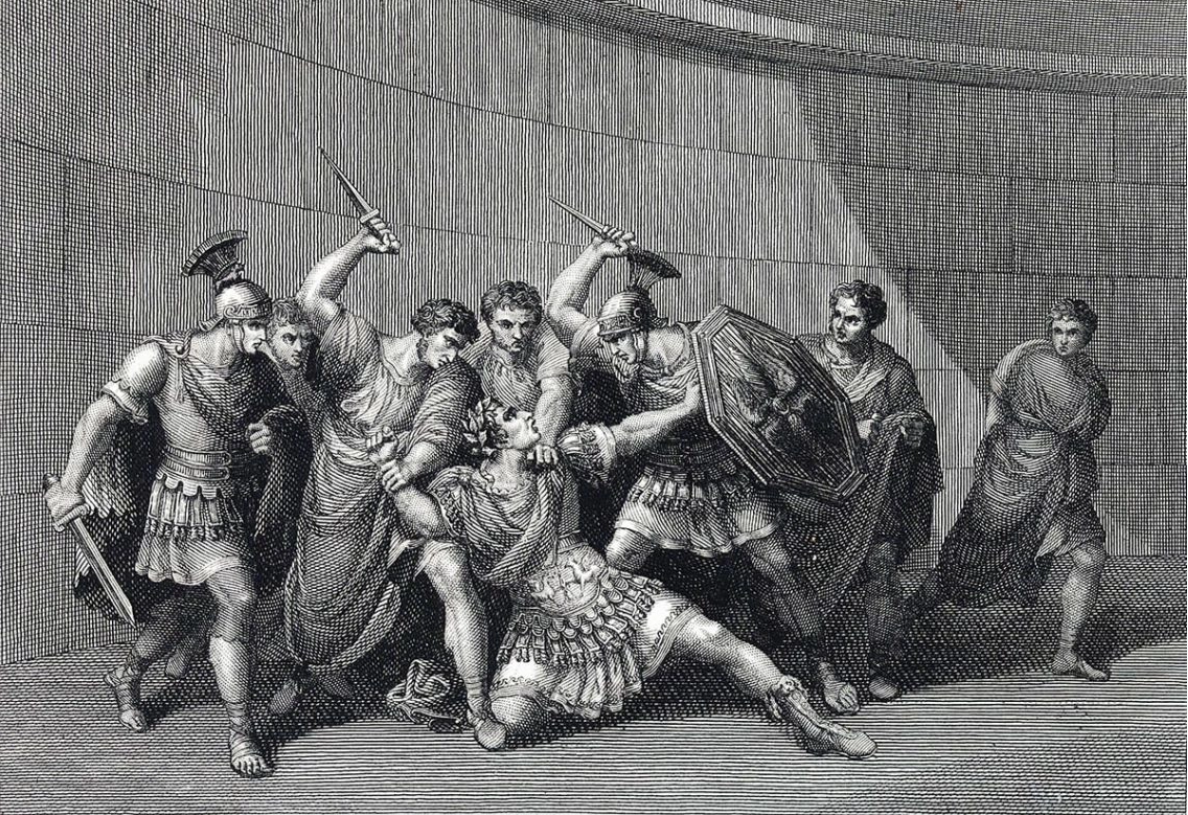
Caligula was assassinated in 41 CE by members of the Praetorian Guard in a conspiracy that involved senators and other political figures. His successor was his uncle, Claudius.
After an emperor was murdered, there was an obvious political incentive to portray him as someone who deserved to be removed.
That does not mean every accusation against Caligula was invented.
Multiple sources, inscriptions, coins, and other evidence support some of his actions. And the fact that an ancient historian disliked Caligula does not automatically make every claim they made false.
But the surviving accounts must be read critically.
Stories of sexual depravity, bizarre cruelty, humiliation, and madness fit an established literary tradition of portraying failed emperors as monsters.
The challenge for modern historians is therefore not simply deciding whether the ancient writers were telling the truth or lying.
It is figuring out where historical evidence ends, and literary exaggeration begins.
6. Myth: Caligula Declared Himself a God
The image of Caligula as a man who suddenly decided he was literally a god is another story that requires some context.
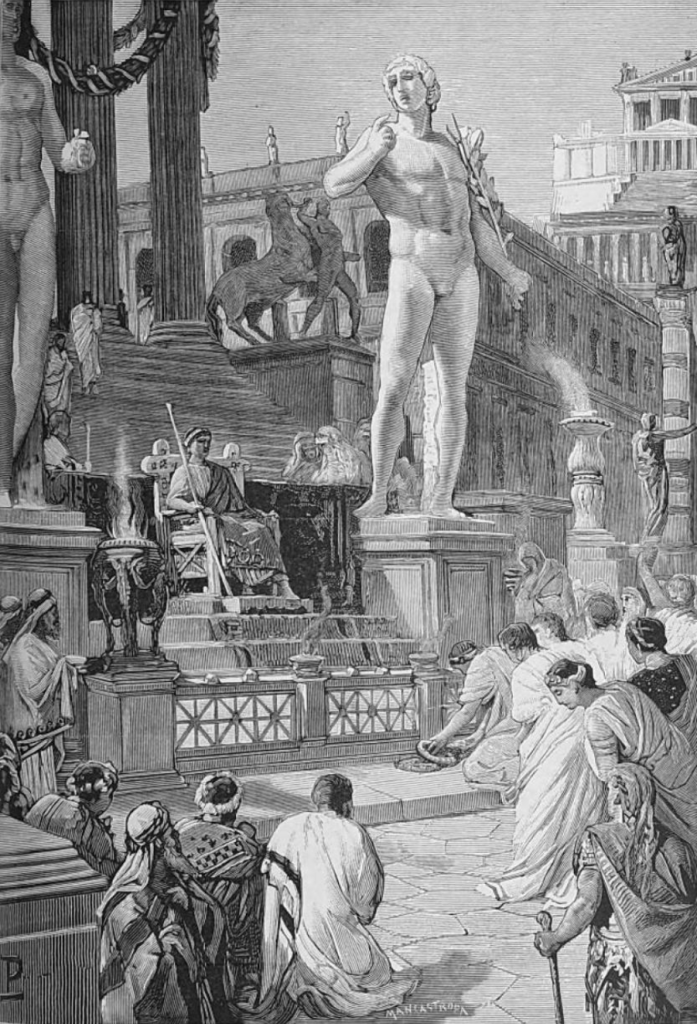
Caligula did participate in the imperial cult, and ancient sources describe several controversial incidents involving divine honors and statues.
But ruler worship was not some uniquely Roman invention created by a supposedly insane emperor.
In parts of the eastern Mediterranean, rulers had been associated with divine status for centuries. Hellenistic monarchs had long used divine imagery and religious honors as part of their political authority.
Roman emperors also received various forms of divine or semi-divine honors, particularly after death.
Caligula’s behavior pushed these traditions in directions that many Roman elites found deeply uncomfortable.
That distinction matters.
His attempts to elevate the emperor’s position can be understood within the political and religious traditions of the ancient Mediterranean, rather than simply as evidence that he had lost touch with reality.
Whether Caligula personally believed himself to be a god is a much harder question.
The surviving sources tell us what ancient writers claimed he did.
They cannot give us reliable access to his private thoughts.
7. Myth: Caligula Was Born Mad and Destined to Become a Monster
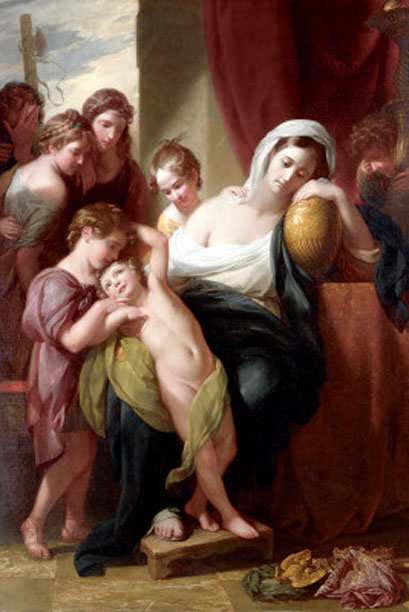
Perhaps the biggest myth of all is that Caligula was born evil.
Ancient writers often presented notorious rulers as though their later behavior revealed their true nature from the beginning.
But Caligula’s reign was not uniformly chaotic.
His first months as emperor were relatively popular, and the dramatic deterioration ancient sources describe came later.
A major turning point came in October 37 CE, when Caligula became seriously ill only months after becoming emperor.
He recovered, but ancient sources describe significant changes in his behavior afterward.
Modern writers have proposed numerous explanations for this transformation, including neurological illness, encephalitis, epilepsy, poisoning, psychological trauma, or the extraordinary pressures of imperial rule.
None can be established with certainty.
Diagnosing someone who lived nearly two thousand years ago from hostile historical accounts is inherently speculative, especially when we lack reliable medical records or biological evidence to confirm a diagnosis.
A much more straightforward explanation also fits some of Caligula’s later behavior.
He was operating inside an extremely violent political system.
Imperial politics had devastated his family. His father died under suspicious circumstances, several of his close relatives were killed or forced into exile, and Caligula eventually found himself ruling an empire where political rivals could become mortal threats.
That does not excuse his later actions.
It does, however, make the story more complicated than “he was simply born insane.”
Reclaiming Caligula
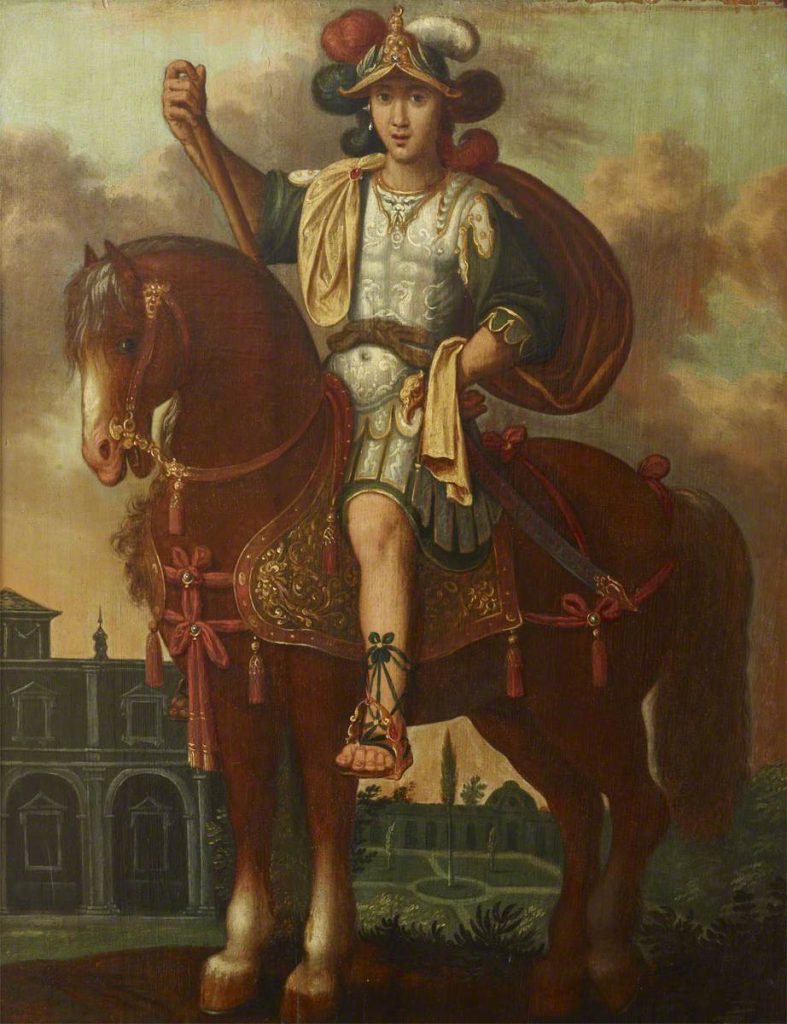
So was Caligula actually a misunderstood good emperor?
Not necessarily.
Debunking the most sensational stories does not require replacing one extreme with another.
There is substantial evidence that Caligula used intimidation, violence, and political repression during his reign. His relationship with the Senate deteriorated badly, and his rule ended when members of his own Praetorian Guard participated in his assassination.
But the familiar image of Caligula as a completely irrational madman comes mainly from sources with their own political, cultural, and literary agendas.
The horse was not a senator.
The emperor’s name was not Caligula.
The war with the ocean is far less certain than the legend suggests.
And the man who became one of history’s most infamous emperors was not universally hated from the moment he took the throne.
The real Caligula is harder to categorize.
And that may be the more interesting story.
Leave a Reply